
Retaining Walls for Sloping Blocks in Newcastle – Turning Steep Land into Usable Space
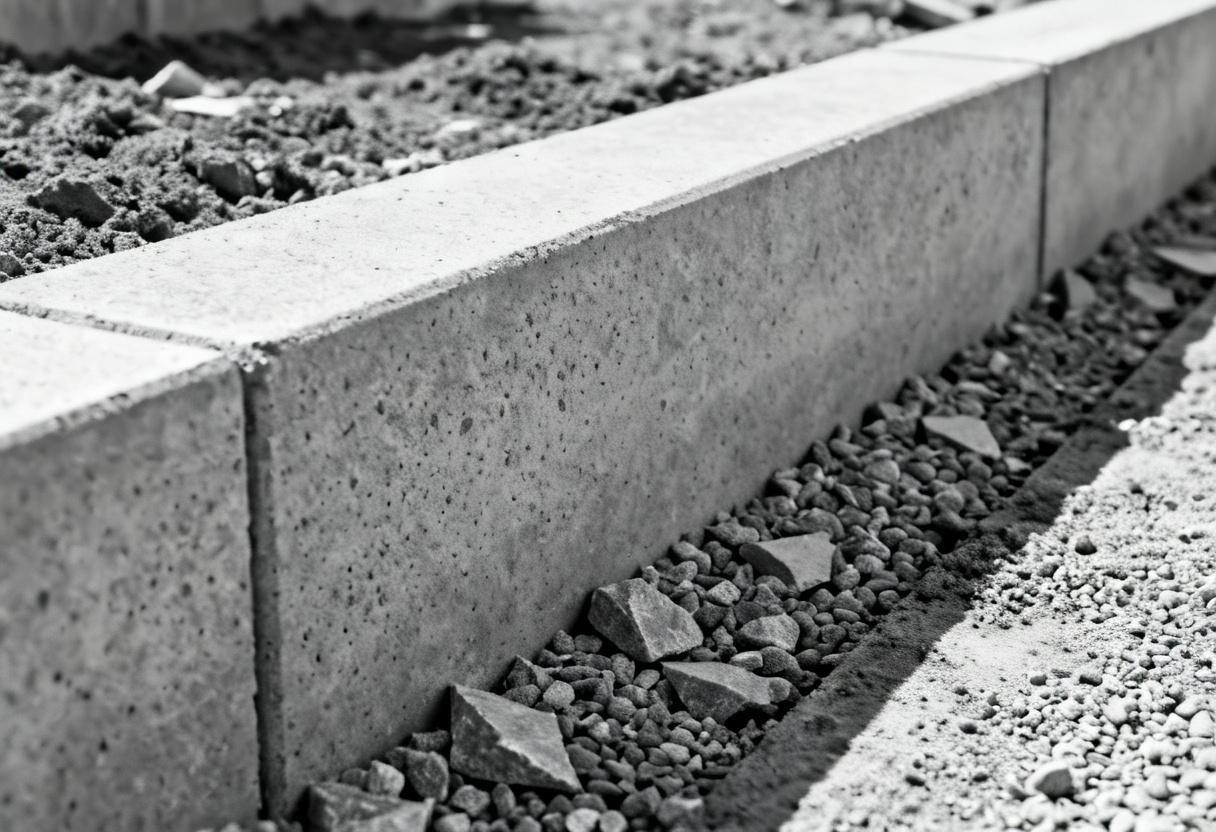
If you’ve got a sloping block in Newcastle, you already know the frustration. You look out at your backyard and see potential — but half of it is steep, unusable ground that does nothing except collect runoff and wash your topsoil downhill every time it rains. Suburbs like Adamstown Heights, New Lambton Heights, Merewether Heights, and Charlestown are full of properties like this. Great blocks, great locations — just sitting on ground that hasn’t been designed to work for the people living on it.
That’s exactly what we fix. We specialise in sloping block retaining walls across Newcastle and the Hunter Region — designing and building terraced solutions that turn awkward, sloping sites into flat, functional outdoor spaces you can actually use. Lawn, entertaining areas, garden beds — all of it becomes possible once the ground is working with you, not against you.

Understanding the Sloping Block Challenge
Sloping blocks create a specific set of problems that flat blocks just don’t have. It’s not just about aesthetics — it’s about losing meaningful chunks of your outdoor space to ground that’s too steep to mow, sit on, or build anything useful on.
Material Selection for Sloping Blocks
Not every material suits every application on a sloping site. The right call usually depends on wall height, load requirements, and what the space needs to look and feel like once it’s done.
Concrete Sleepers for Structural Walls
Where height requirements are significant — anything over a metre — concrete sleepers are the practical default. Strong, durable, low-maintenance, and available in a range of finishes and colours that suit modern Newcastle homes.
Sandstone for Natural Character Terracing
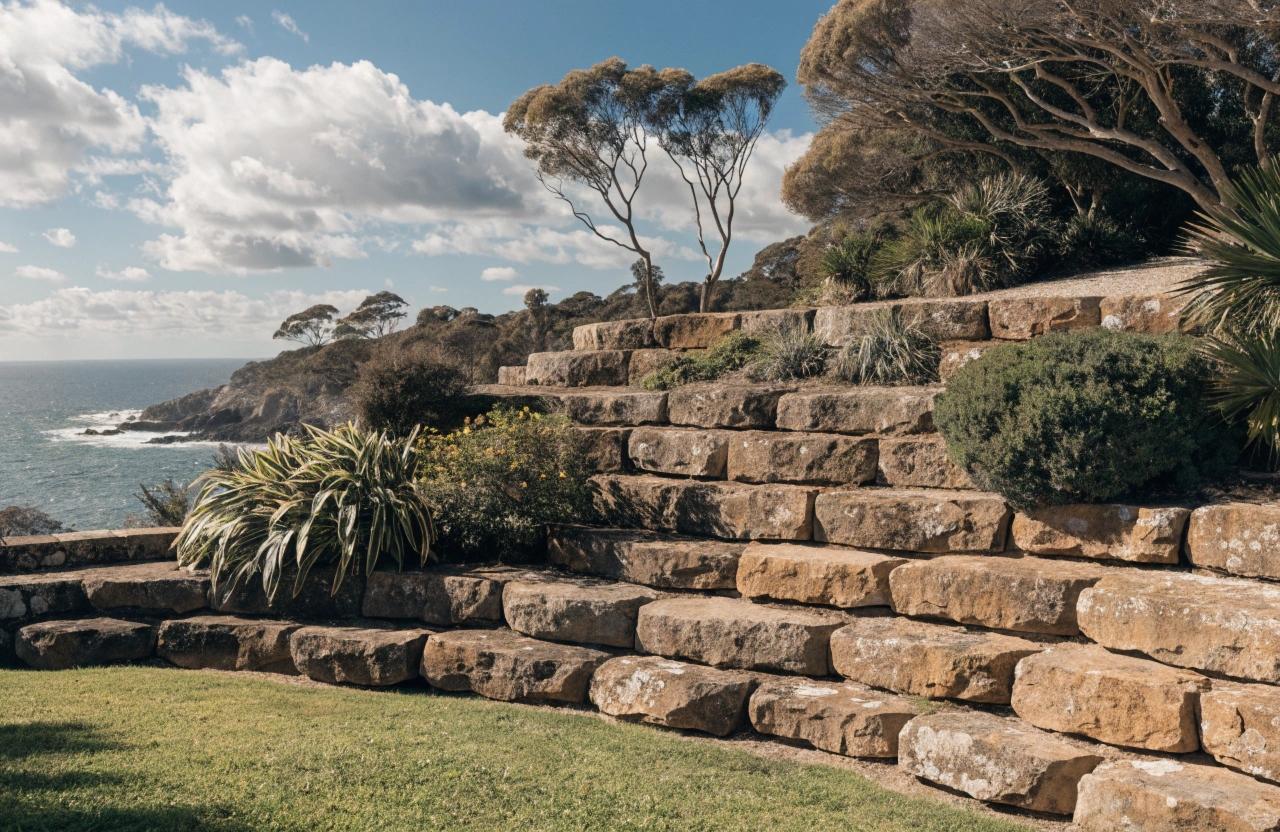
For lower terracing walls where heights are modest and a natural aesthetic is the priority, sandstone is hard to beat. It suits the established residential character of suburbs like Merewether and New Lambton particularly well.
Timber for Informal and Raised Garden Applications
Timber works well for informal low terracing and raised garden bed construction within a broader sloping block design. It’s a cost-effective option for upper levels where structural loads are lighter and aesthetics lean toward the relaxed and natural.
Combining Materials Across a Single Site
Some of the best sloping block projects we do use concrete sleepers for the heavy-lifting lower walls and sandstone or timber higher up the slope where loads are lighter. The result is practical engineering at the base and softer, more organic character at the top.
Drainage and Erosion Control
Conventional lawn is the single largest water consumer in most residential Newcastle gardens — particularly cool-season grasses that struggle through the local summer heat and demand regular irrigation to stay presentable.
Drought-Tolerant Turf Varieties: Zoysia and Buffalo grass varieties offer meaningfully reduced water demand compared to conventional lawn options, making them the smarter choice when a traditional lawn is still a priority for the household — particularly for families with young children or dogs who genuinely use the space.
Groundcovers, Decomposed Granite, and Paving: For areas where a traditional lawn isn’t actually needed, groundcover plantings, decomposed granite surfaces, and paved areas can eliminate irrigated lawn areas entirely. Reducing or replacing conventional lawn is one of the most effective water-saving strategies available — and it cuts ongoing mowing time and cost at the same time.


FAQs — Sloping Block Retaining Walls
Do I need council approval for a retaining wall on my sloping block in Newcastle?
In most cases, yes — if your wall exceeds 600mm in height, you’ll need to check with Newcastle City Council before work starts. Some properties in flood-prone or bushfire-affected areas around the Hunter Region have additional requirements on top of that. We handle the DA process regularly, so we can point you in the right direction early and save you a headache later.
How long does a sloping block retaining wall project typically take in Newcastle?
For a standard residential terracing job across Newcastle’s suburban blocks, most projects run between three and seven days on site depending on the number of walls and total height involved. Wet weather can push that out — and Newcastle summers can bring unpredictable downpours that pause earthworks temporarily. We build a realistic schedule from the start so you’re not caught off guard.
Will a retaining wall affect my neighbour's property?
It can, which is why we always assess the boundary situation before we start. Properties across Adamstown Heights, Charlestown, and New Lambton Heights often sit on tight blocks where the slope crosses boundary lines — and any wall near a boundary requires careful design to avoid shifting load or drainage onto your neighbour’s land.
What time of year is best to build a retaining wall in Newcastle?
Autumn and winter are generally the best window — the ground is firmer, rainfall is more predictable, and you’re set up for spring planting once the walls are done. Newcastle’s wet summers make earthworks messier and more disruptive, so if you can plan ahead, the cooler months are worth targeting.
How much does a sloping block retaining wall cost in Newcastle?
It varies significantly depending on wall height, material choice, total linear metres, and how much earthmoving is involved. A basic timber or sandstone low terrace wall starts at a few thousand dollars, while a full concrete sleeper terracing system across a significant level change can run into the tens of thousands. The only way to give you an accurate number is a site visit — block-specific variables matter too much to price remotely.
Can I build on or use the terraced areas straight after the walls are finished?
The terraced levels are structurally usable once the walls are complete and backfill is compacted, but we recommend allowing time for the soil to settle before laying turf or installing pavers. Newcastle’s clay-heavy soils — common across suburbs like New Lambton and Kotara — can shift slightly as they compact after earthworks, so giving it a few weeks before the finishing trades move in is always the smarter call.
Get a Quote for Your Sloping Block
If your Newcastle property is sitting on a slope that’s giving you more grief than garden, let’s talk. We do site assessments across Newcastle and the Hunter Region — taking a proper look at your block, your levels, and what a retaining solution could realistically achieve for your outdoor space.
Call us or fill in the contact form to book your site assessment and quote. No guesswork, no generic pricing — just a practical conversation about your specific block and what it needs.
