
Garden Terracing in Newcastle – Transforming Sloped Backyards into Functional Outdoor Spaces
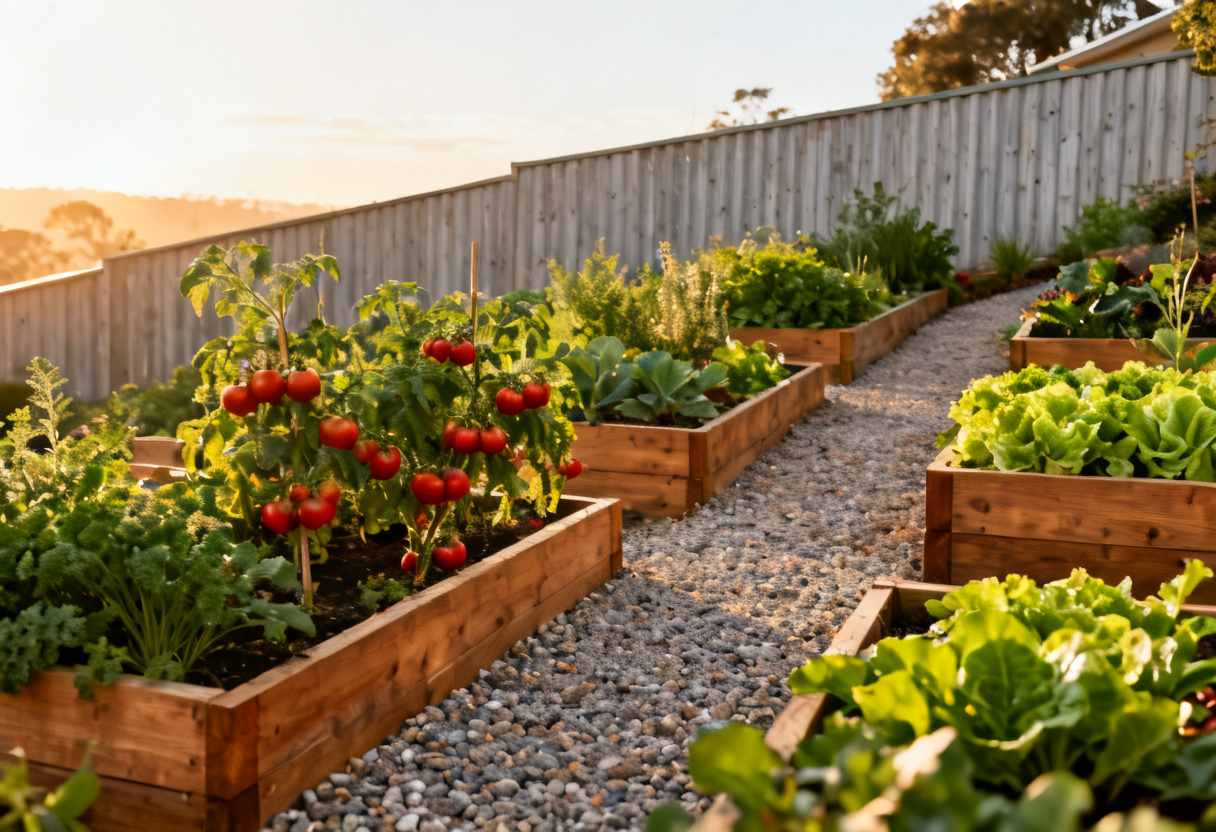
A lot of Newcastle homeowners with sloping blocks have written off their backyard entirely. The hill’s too steep for the kids to kick a ball around, the lawn’s a patchwork of erosion and bare soil, and entertaining out there? Not a chance. So the yard just sits there — ignored, underused, and slowly getting away from you.
Garden terracing in Newcastle changes that completely. Rather than fighting the slope, terracing works with it — carving out level, connected spaces that your family can actually live in. Lawn for the kids. A paved area for the barbecue. Structured garden beds with real visual interest and character. We specialise in garden terracing across Newcastle and the Hunter Region, turning steep, awkward sites into outdoor spaces that are as functional as they are good-looking.

What Garden Terracing Delivers for Newcastle Homeowners
Sloping blocks aren’t a problem to tolerate — they’re a site condition to design around. Professional terracing creates a series of purposeful, level spaces that genuinely change how your outdoor area works day to day.
Terracing Materials Used Across Newcastle Properties
Material choice affects both how a terraced garden looks and how it performs over time. Across Newcastle and the Hunter Region, we work with a range of materials and regularly combine them across a single site to match structure and aesthetics to each wall’s role.
Concrete Sleepers
For significant wall heights where long-term structural performance is the priority, concrete sleepers are the reliable choice. They handle heavy soil loads, resist moisture, and won’t deteriorate over time the way timber does — making them the go-to for lower, taller retaining walls on steeper Newcastle blocks.
Sandstone
Sandstone suits terracing where the aesthetic of the garden matters as much as the structural job. The warm, natural stone tones work particularly well alongside coastal and native planting styles common across Newcastle’s beachside and leafy inner suburbs, giving a terraced garden a sense of permanence and character that manufactured materials don’t replicate.
Timber Sleepers
For upper, lower terracing where loads are modest and a natural, informal feel is the goal, treated timber sleepers deliver good results at a more accessible price point. They work well for kitchen garden terraces, ornamental planting terraces, and situations where the retaining task is light and the natural character of the material is a genuine design asset.
Combining Materials Across a Site
It’s common practice on larger terracing projects to use heavier structural materials for the lower, taller walls where loads are greatest, and shift to more decorative natural materials for upper walls where height and load demands are more modest. This approach balances structural performance with aesthetics — and can meaningfully reduce overall project cost without compromising the result.
How We Approach Garden Terracing Design
Good terracing isn’t just about stacking walls. It’s about reading the site and making considered decisions about how each level will be used before a single sleeper goes in the ground.
Reading the Topography First: Terrace levels are shaped to suit the natural slope—wider levels for usable spaces like lawns and entertaining, and steeper tiers for planting and visual impact.
Connecting the Levels: Steps, pathways, and transitions are designed to create a smooth, natural flow between levels, turning separate tiers into one cohesive outdoor space.
Drainage, Irrigation, and Lighting From Day One: We integrate drainage, irrigation, and lighting during construction, ensuring the garden functions properly from the start without costly rework later.


FAQs — Garden Terracing in Newcastle
How much does garden terracing cost in Newcastle?
Honestly, it varies a lot depending on the height and number of walls, the materials you go with, and how much of the site we’re working across. A simple single-level terrace with timber sleepers is going to sit at a very different price point to a multi-level concrete sleeper project with integrated paving and steps. Best thing to do is get us out for a site assessment — that’s when we can give you a number that actually means something.
Do I need council approval for garden terracing in my Newcastle property?
In most cases, yes — if any individual retaining wall exceeds 600mm in height, you’ll need a complying development certificate or development approval through Newcastle City Council. I always recommend sorting this out before any work starts rather than after, because it’s a lot easier to design around the rules upfront than to deal with compliance issues once the walls are already in.
How long does a garden terracing project take to complete?
A straightforward single-terrace job on a standard Newcastle residential block can typically be done in a few days. Larger multi-level projects with integrated paving, steps, and drainage can run two to four weeks depending on site access and complexity. Newcastle’s wet season can also affect scheduling, so if you’re planning ahead for summer entertaining, getting the work done in autumn or winter is usually the smarter move.
Will terracing fix the drainage problems on my sloping Newcastle block?
Done properly, yes — terracing significantly improves how water moves across and through your site rather than sheeting straight down the slope and pooling at the base. Newcastle blocks cop a decent amount of rainfall, especially through the warmer months, so we always build drainage management into the terracing design from the start. Ignoring drainage when you terrace a slope is one of the most common mistakes I see, and it’s expensive to fix after the fact.
What's the best retaining material for Newcastle's coastal climate?
Concrete sleepers are my default recommendation for anything structural near the coast because they’re completely unaffected by the salt air and moisture that degrades timber over time in suburbs like Merewether, Bar Beach, and Stockton. Sandstone holds up beautifully too and looks at home in coastal and native garden settings. Treated timber is fine for upper, lighter terraces further from the waterfront, but I wouldn’t put it at the base of a significant wall in a coastal Newcastle yard.
Can garden terracing work on a very steep block?
Yes, and in fact steep blocks are often where terracing creates the biggest lifestyle transformation — going from a yard that’s basically unusable to one with several genuinely functional levels. The steeper the site, the more important it is to get the engineering and material selection right from the start, because the loads on retaining walls increase significantly with height. I’ve worked on some seriously steep sites across the Hunter Region and the results are always worth it when the design is done properly.
Get a Terracing Assessment for Your Newcastle Block
If you’ve got a sloping block in Newcastle or the Hunter Region and you’re ready to actually do something with it, get in touch. We’ll come out, assess the site, and talk through what’s possible — levels, materials, integration with the rest of your outdoor space, and a realistic picture of what it takes to get there.
Call us or send through an enquiry and we’ll get a consultation time sorted.
