
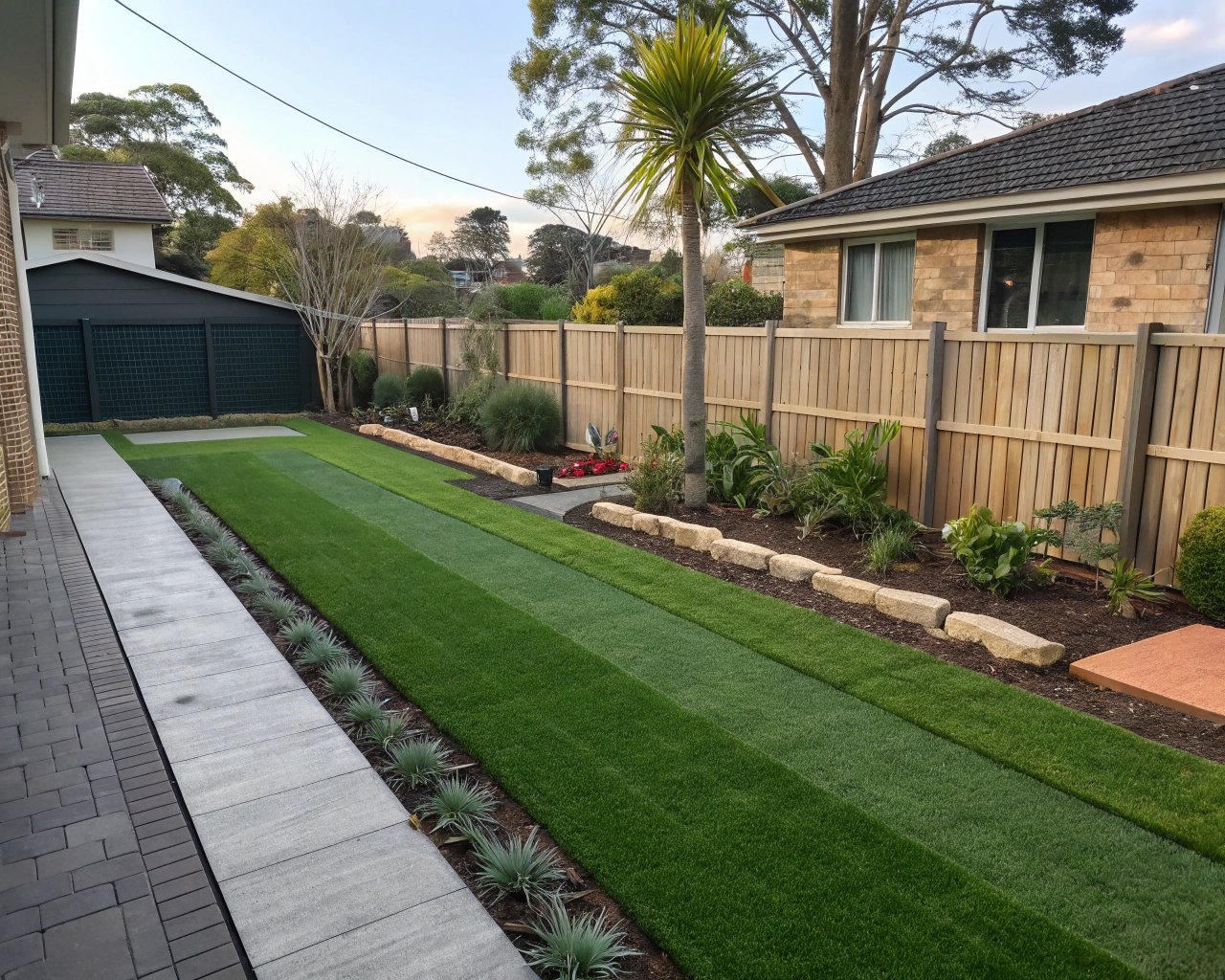
Why Technical Landscape Design Matters in Newcastle
Newcastle isn’t a forgiving environment for outdoor spaces that haven’t been properly thought through. The Hunter Region’s climate, soils, and coastal conditions create a specific set of challenges that show up fast when a landscape has been designed without the technical groundwork.
Clay-heavy soils in suburbs like New Lambton, Kotara, Charlestown, and Cardiff don’t drain freely. Water sits, saturates, and puts pressure on structures, paving, and lawn root systems. Seasonal rainfall events — particularly through autumn — expose every weakness in a poorly graded or underdrained site. Coastal exposure in suburbs closer to the water accelerates material degradation in ways that inland product specifications simply don’t account for.
Then there’s the structural side. Pergolas, retaining walls, fire pits, and water features all have engineering requirements that go beyond what a standard landscaping quote covers. Council compliance, stormwater discharge, and site-specific soil bearing capacity all need to be factored in before construction starts — not discovered after the fact.
That’s exactly what a landscape architect brings to a Newcastle project.

What a Newcastle Landscape Architect Designs and Builds
Landscape architecture covers far more ground than most homeowners expect. It’s not just about planting schemes and pretty finishes — it’s the full scope of technical outdoor design, from how water moves across your site to how a structural element like a pergola or fire pit integrates with everything around it. A properly qualified landscape architect handles the design, the engineering, the compliance, and the construction coordination so every element of your outdoor space works together as a whole.
Here’s what a Newcastle landscape architect can design and build for your property:
- ✅ Drainage Solutions — subsurface and surface drainage designed for Newcastle’s clay soils and rainfall conditions
- ✅ Water Feature Installation — ponds, cascades, rills, and fountains designed to integrate with the broader landscape
- ✅ Pergola Construction — structurally built covered outdoor spaces designed for coastal durability and council compliance
- ✅ Fire Pit Installation — professionally constructed fire pits placed, built, and finished to perform year-round
- ✅ Stormwater Management — compliant stormwater design for renovations, subdivisions, and complex sites
- ✅ Garden Edging Installation — clean, lasting definition between lawn, beds, and paving
- ✅ Irrigation System Installation — zoned, water-efficient systems designed for Newcastle’s warm, dry summers
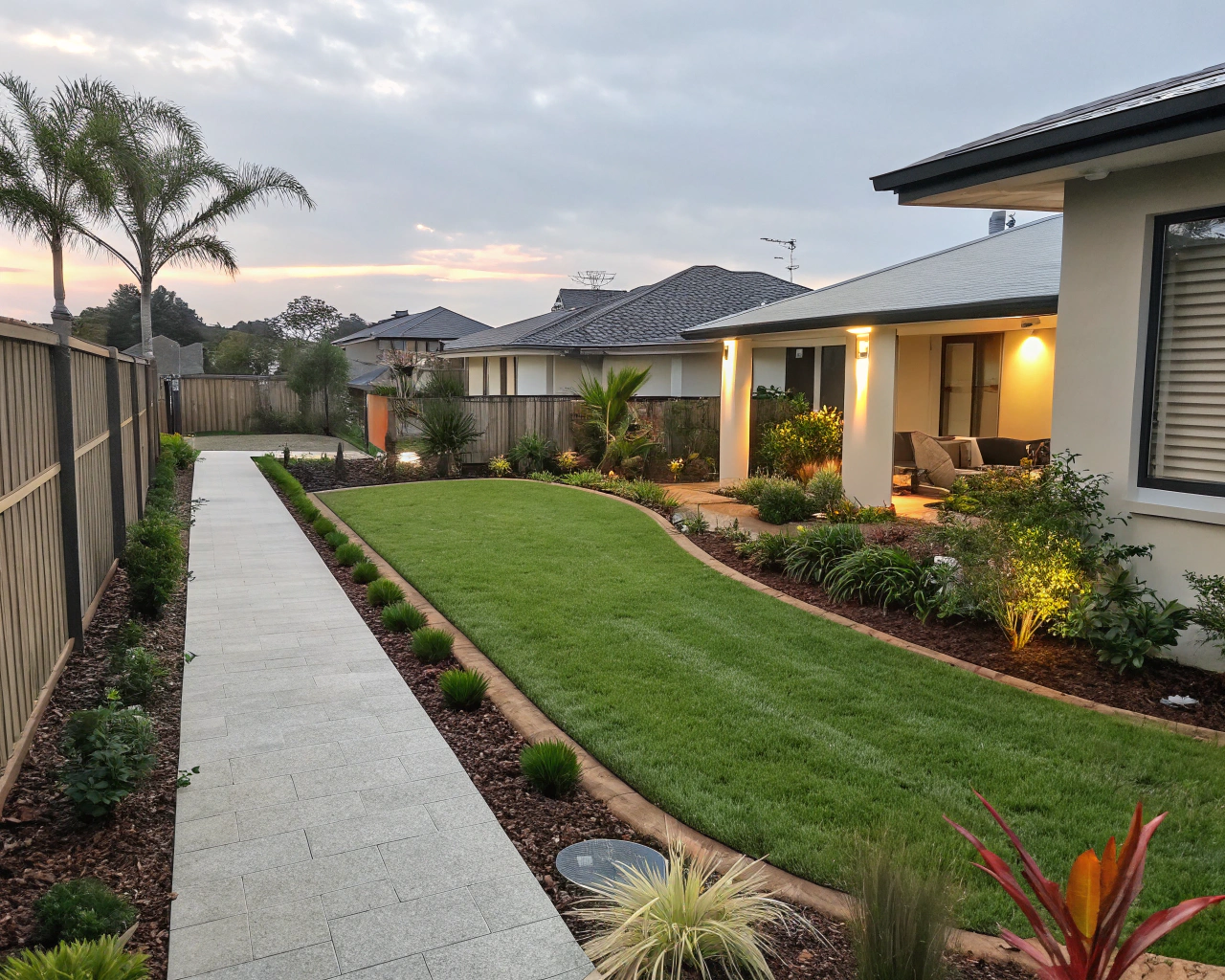
Garden Edging Newcastle — The Detail That Defines a Landscape
Most people don’t notice good garden edging. They just know the yard looks sharp, the beds stay tidy, and the lawn isn’t creeping into places it shouldn’t be. That’s the point — professional garden edging works quietly in the background, holding the whole design together.
Without proper edging, even the best-designed landscape starts to look tired within a season. Lawn encroaches into garden beds. Mulch migrates onto paving. The clean lines that made the space look finished start to blur. It becomes a maintenance problem you’re fighting every few weeks.
The right edging material makes all the difference. Steel and aluminium hold a crisp edge and handle Newcastle’s soil movement well. Timber suits a more natural aesthetic. Stone and concrete work where something more permanent is needed. A landscape architect will match the edging type to the soil conditions, the overall design, and how much ongoing maintenance you actually want to be doing.
Structure First, Aesthetics Second — How Good Landscapes Get Built
The landscapes that hold up over time — the ones that still look sharp five years in and don’t develop drainage problems or structural issues — all have one thing in common. The technical decisions were made before the aesthetic ones.
That’s not how every landscaping project gets approached. A lot of outdoor spaces get designed around how they’ll look, with the structural and drainage considerations figured out later — or not at all. It works until it doesn’t.
A landscape architect flips that sequence deliberately:
- Site conditions first — soil type, drainage behaviour, slope, and exposure, all assessed before design begins
- Structure resolved on paper — drainage, stormwater, irrigation, and structural elements engineered before a single material gets selected.
- Aesthetics built on top — paving, planting, edging, and finishes chosen to complement a space that already works technically
The result is a landscape that looks exactly the way you want it to and performs the way it needs to. In Newcastle’s conditions — clay soils, coastal exposure, heavy seasonal rain — that sequence isn’t optional. It’s just how good outdoor spaces get built.
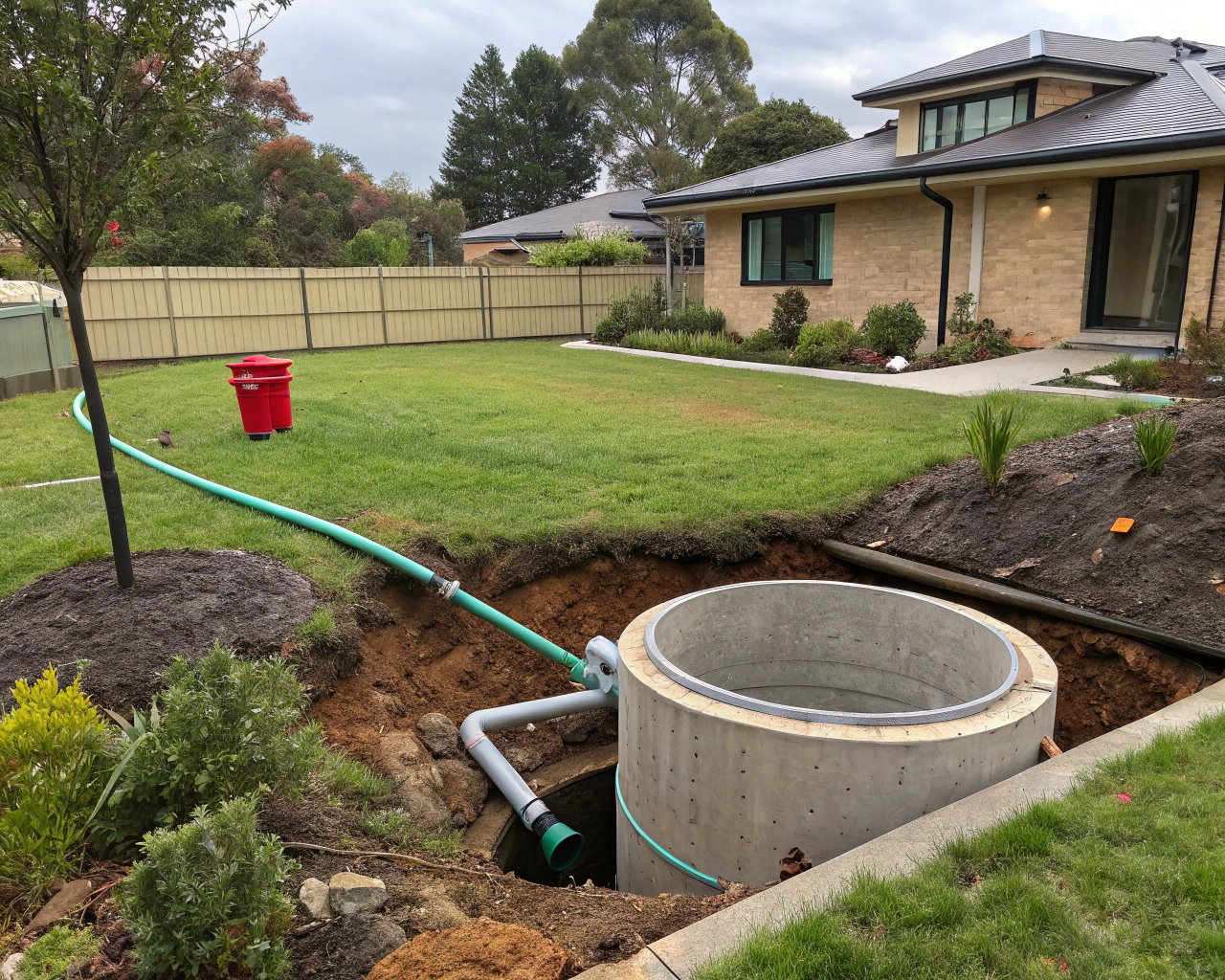
Drainage Solutions Newcastle — Designed for Every Site
Poor drainage is one of the most common and costly problems Newcastle homeowners deal with — and one of the most preventable when it’s addressed at the design stage rather than after the fact.
The combination of clay-heavy soils across much of Newcastle and the Hunter Region’s seasonal rainfall creates conditions where water has nowhere to go if the site hasn’t been properly graded and drained. It pools against foundations, saturates lawn root systems, undermines paving, and puts pressure on retaining walls and structural elements that weren’t designed to sit in wet ground.
A landscape architect designs drainage solutions that are specific to the site — not a generic fix. Surface grading, subsurface agricultural drainage, charged systems, and pit and pipe networks all have their place depending on soil type, topography, and how the site behaves in a heavy rain event. The goal is simple: water moves where it’s supposed to, every time.
Structure First, Aesthetics Second — How Good Landscapes Get Built
The landscapes that hold up over time — the ones that still look sharp five years in and don’t develop drainage problems or structural issues — all have one thing in common. The technical decisions were made before the aesthetic ones.
That’s not how every landscaping project gets approached. A lot of outdoor spaces get designed around how they’ll look, with the structural and drainage considerations figured out later — or not at all. It works until it doesn’t.
A landscape architect flips that sequence deliberately:
- Site conditions first — soil type, drainage behaviour, slope, and exposure, all assessed before design begins
- Structure resolved on paper — drainage, stormwater, irrigation, and structural elements engineered before a single material gets selected.
- Aesthetics built on top — paving, planting, edging, and finishes chosen to complement a space that already works technically
The result is a landscape that looks exactly the way you want it to and performs the way it needs to. In Newcastle’s conditions — clay soils, coastal exposure, heavy seasonal rain — that sequence isn’t optional. It’s just how good outdoor spaces get built.
What to Expect When You Work With a Landscape Architect
Working with a landscape architect is a different experience from calling a landscaper for a quote. The process is more thorough — and that thoroughness is what produces a result that holds up.
It starts with a proper site assessment. Before any design work happens, the site gets read — soil conditions, drainage paths, existing structures, sun and wind exposure, and any council or compliance requirements that apply to the project.
From there, the process typically moves through:
- Technical design — drainage, irrigation, structural elements, and planting, all resolved on paper before anything gets built
- Council liaison — approvals, stormwater management plans, and DA requirements handled where needed
- Construction coordination — trades managed and sequenced so the build comes together cleanly
- Handover — the finished space explained, irrigation programmed, and maintenance requirements clearly outlined
The result isn’t just a landscape that looks good on day one. It’s a space that’s been designed to perform through Newcastle’s conditions season after season, without needing to be pulled apart and redone.
Frequently Asked Questions — Newcastle Landscape Architect
A landscape architect brings technical training in drainage, stormwater, structural design, and council compliance. A landscape designer focuses primarily on aesthetics and planting. For complex sites or projects requiring council approval, a landscape architect is the right call.
Depending on size, height, and proximity to boundaries, most pergolas in Newcastle require either a complying development certificate or a development application. A landscape architect handles the assessment and lodgement so nothing gets built without the right approvals in place.
Newcastle’s clay-heavy soils don’t absorb water freely, and the Hunter Region gets serious seasonal rainfall. Without proper drainage design, water pools against foundations, kills lawn, and undermines paving. Getting drainage right at the design stage prevents expensive rectification work later.
A site assessment covers soil conditions, drainage behaviour, existing structures, slope, sun and wind exposure, and any council or compliance requirements. It’s the foundation everything else gets designed around before construction starts.
Yes. Renovations and subdivisions in Newcastle often trigger stormwater management requirements under council guidelines. A landscape architect designs compliant systems that direct runoff correctly and integrate cleanly into the broader landscape without looking like an afterthought.


Talk to a Newcastle Landscape Architect About Your Project
If your outdoor space needs more than a tidy-up — if it needs to be properly designed, technically resolved, and built to last through Newcastle’s conditions — this is where it starts.
A site assessment is the first step. It’s how the right decisions get made before anything gets built, and it’s what separates a landscape that performs long-term from one that looks good on day one and causes problems by winter.
Get in touch to book a consultation or request a quote for your Newcastle landscape architecture project. Whether you’re dealing with a drainage issue, planning a structural outdoor build, or starting a full backyard redesign from scratch — bring in the right expertise from the beginning.
