
Is it worth repairing paving or replacing it?
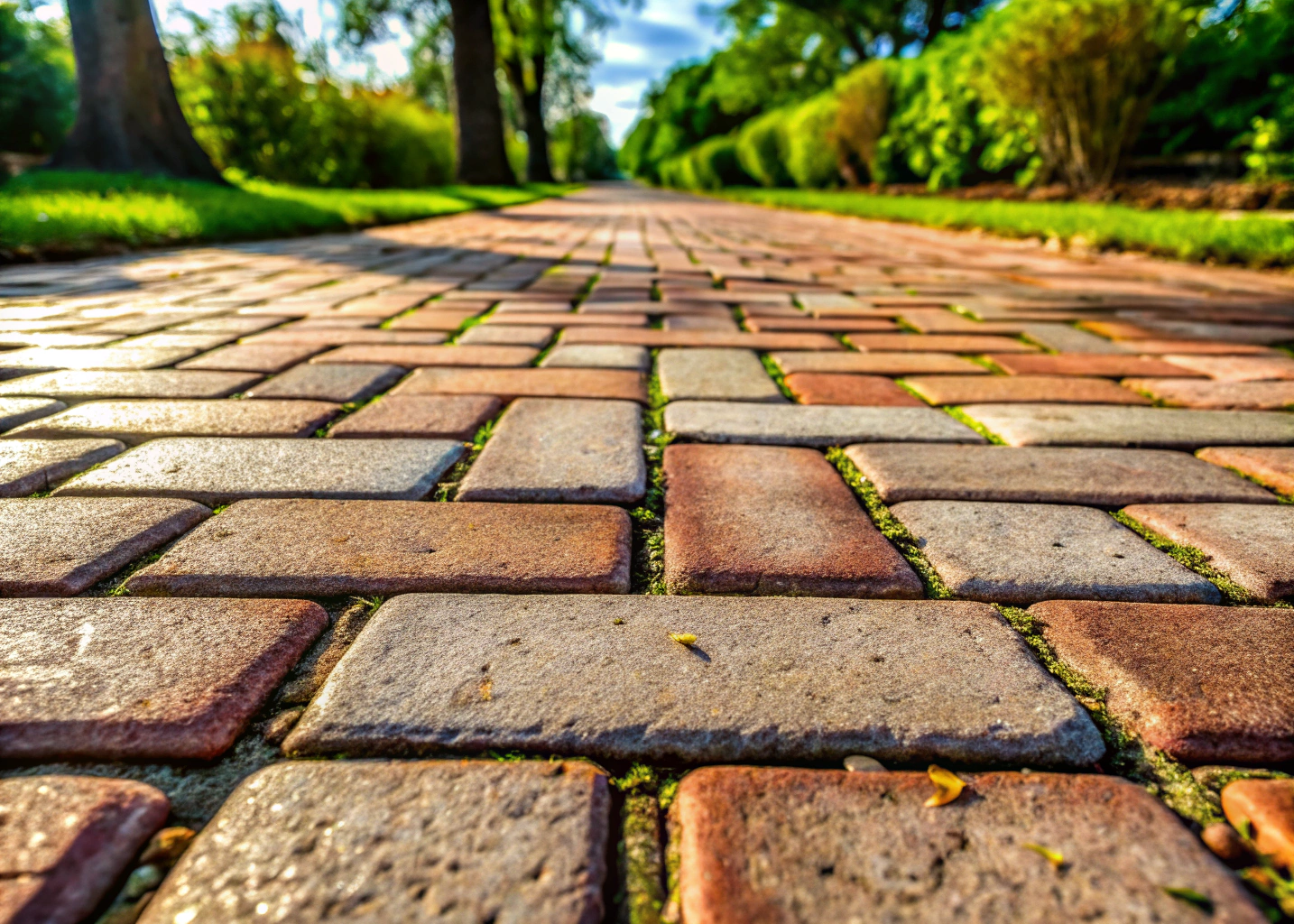
Whether to repair or replace comes down to two things — the condition of the ground beneath your paving, and how widespread the damage is. Age alone doesn’t determine the answer.
| Repair is the right call when… | Replacement makes more sense when… |
|---|---|
| Damage is limited to individual pavers or sections | The ground beneath has failed across the whole area |
| The subbase is stable with no widespread sinking | Paving materials have deteriorated beyond recovery |
| Issues are cosmetic or minor — cracking, staining, open joints, lifted pavers | The existing layout no longer works for the property |
| Efflorescence or weed growth is isolated | Repeated repairs have failed to hold |
The only reliable way to know which option delivers better long-term value is an on-site assessment by a Newcastle paving specialist who can inspect the subbase directly.

Common Paving Problems We Repair Across Newcastle Properties
We see the same problems come up across Newcastle homes time and time again.
Why Newcastle's Climate Accelerates Paving Deterioration
Newcastle’s conditions are harder on paving than most homeowners realise.
The coastal salt air works into paving surfaces and joints over time, breaking down mortar and contributing to the white salt deposits — efflorescence — that appear on the surface. Wet seasons saturate the ground beneath pavers, softening the base and causing sections to sink and settle. Then summer heat dries everything out fast, expanding and contracting materials and pushing cracks wider.
For properties closer to the coast — Merewether, Charlestown, and surrounding suburbs — salt exposure adds another layer of wear on top of the seasonal cycle.
This isn’t a reason to avoid paving. It’s a reason to repair and restore it properly when problems appear, using materials and methods suited to Newcastle’s specific conditions rather than generic products that won’t hold up long term.
The Paving Materials We Restore
Different paving materials need different approaches — cleaning agents, sealing products, and repair methods that work on one surface can damage another.
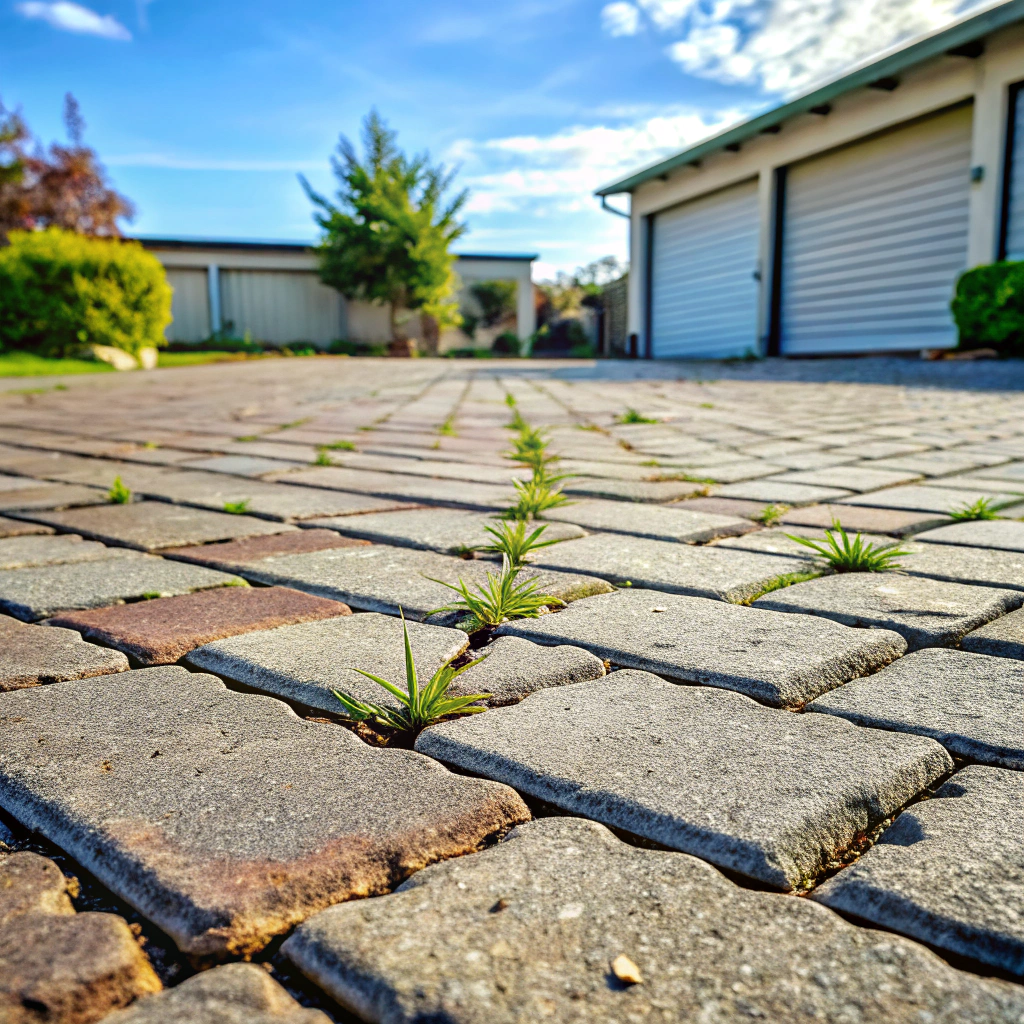
We restore concrete pavers, clay brick pavers, natural stone including sandstone, travertine, and bluestone, and exposed aggregate surfaces. Each material has its own characteristics — how it absorbs moisture, how it responds to cleaning treatments, what type of sealer it needs, and how joints are best finished.
Getting this wrong causes damage. Over-aggressive cleaning strips natural stone. The wrong sealer clouds concrete pavers or traps moisture beneath the surface. Generic repointing compounds crack out of clay brick joints faster than they should.
At Landscaping Newcastle Pro, we identify the material first and match every product and method to it. That’s the difference between a restoration that lasts and one that needs redoing in twelve months.


How a Paving Repair and Restoration Job Works
On-Site Assessment
We start by inspecting the subbase condition and identifying the full extent of the damage. This is where we confirm whether repair is the right path or whether replacement makes more sense. Nothing gets quoted until we’ve had a proper look.
Surface Preparation
Before any repair work starts, the surface is cleaned, weeds are removed, and deteriorated jointing material is cleared out. Proper preparation is what makes the repair work last — skipping this step is why a lot of paving jobs fail within a couple of years.
Structural Repair Work
This is the hands-on part — re-laying sunken or displaced pavers, re-bedding sections that have shifted, and repairing cracks. We work to get the surface level, stable, and properly supported before moving to the finishing stage.
Finishing and Sealing
Once the structural work is done, we repoint the joints, apply sealer where required, and do a final inspection across the whole surface. The job isn’t finished until the paving looks right and the repair is solid.
Repair or Replace? How We Help You Make the Right Call
Not all deteriorated paving is worth repairing — and we’ll say so if that’s the case.
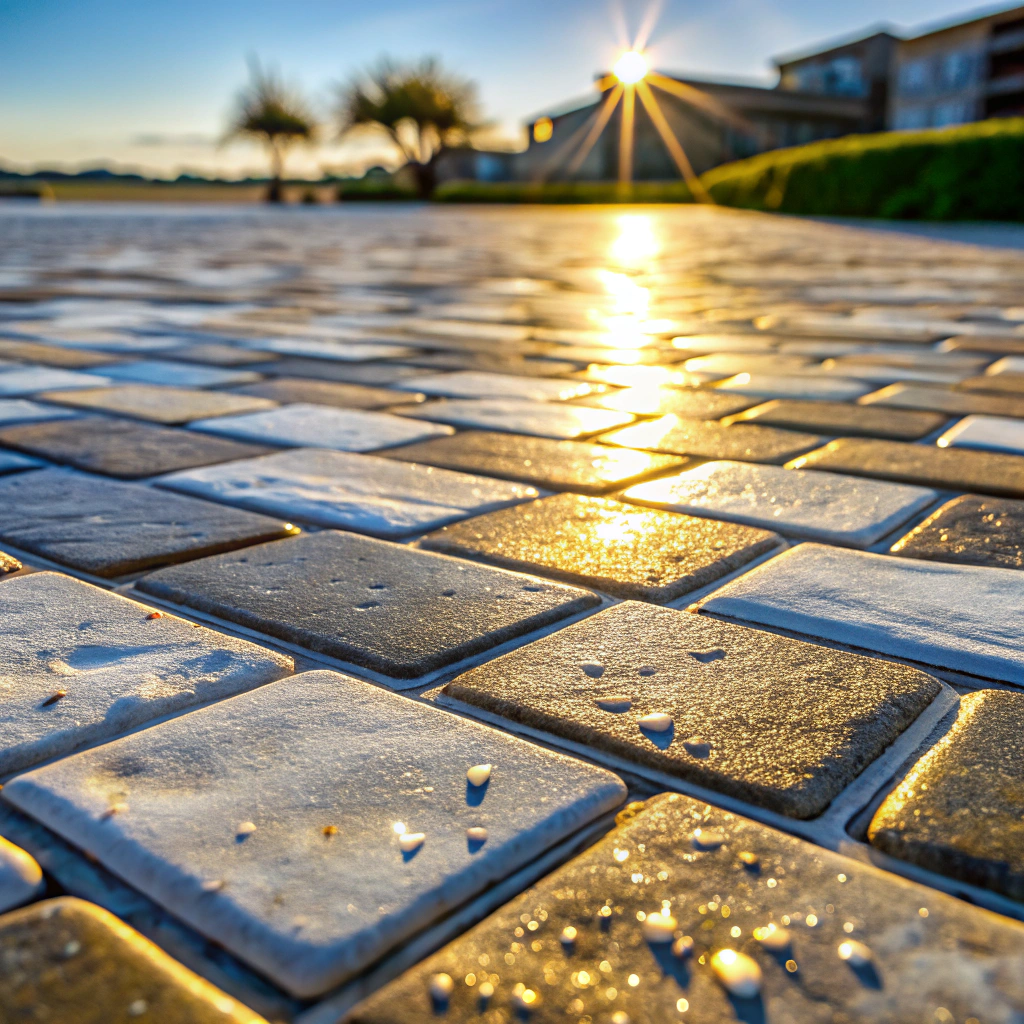
Repair makes sense when the damage is isolated to specific sections and the ground beneath is still stable and solid. Fixing individual pavers, repointing joints, and restoring the surface delivers a result that lasts without the cost of starting over.
Replacement is the better option when the subbase has failed across a wide area, when paving materials have broken down beyond what restoration can recover, or when repeated localised repairs have failed to hold.
At Landscaping Newcastle Pro we don’t default to the higher-value job. If a repair will do the job properly and last, that’s what we recommend. If the paving has reached the point where replacement is the only option that makes long-term sense, we’ll tell you that clearly and explain why — so you can make the call with a full picture in front of you.
Paving Repair and Restoration Across Newcastle and the Hunter Region
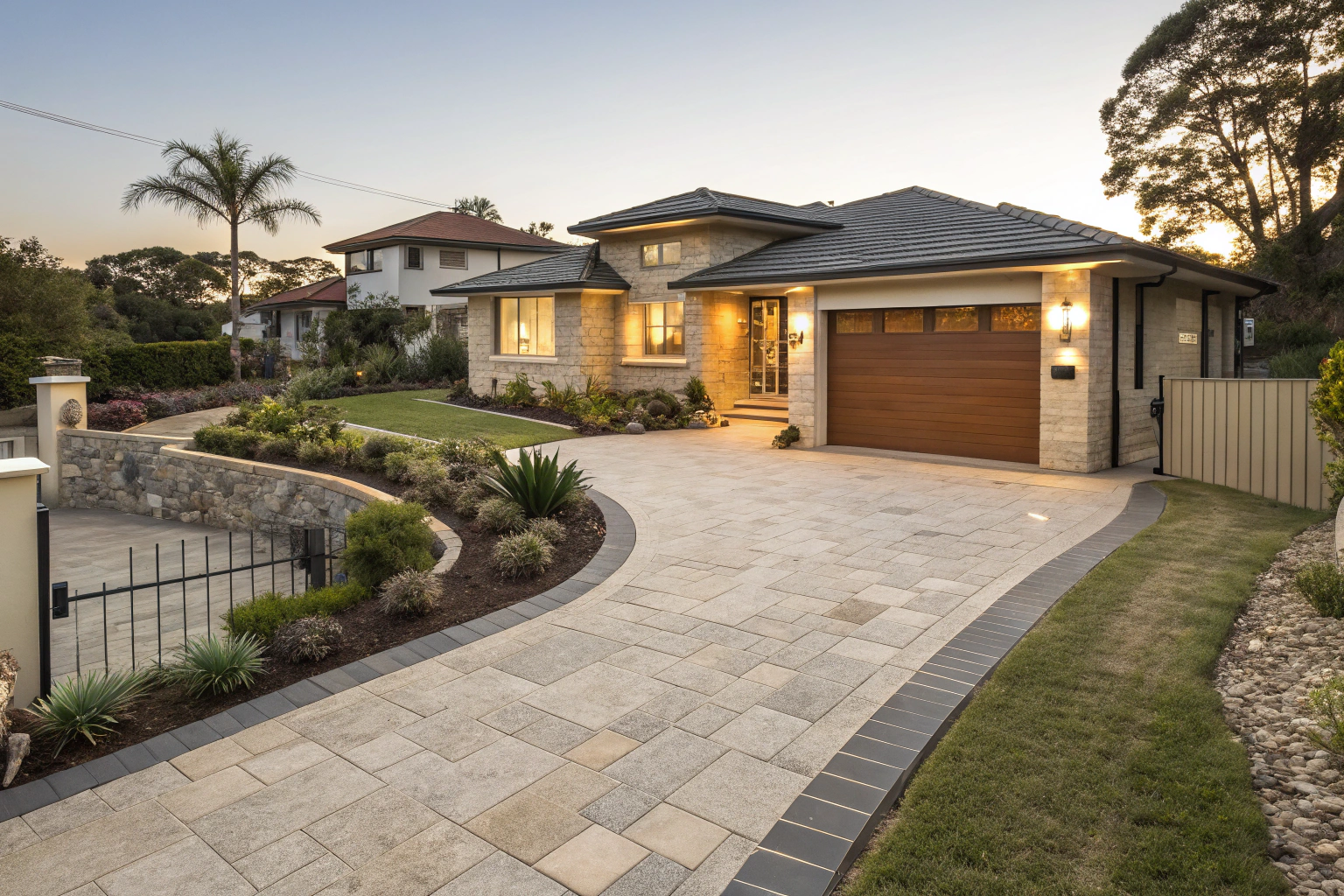
Landscaping Newcastle Pro services Newcastle and the broader Hunter Region for paving repair and restoration work.
We work across suburbs including Merewether, New Lambton, Charlestown, Kotara, Cardiff, Glendale, Fletcher, Wallsend, and Maitland — as well as surrounding areas throughout the Hunter Region.
Whether it’s a driveway in Charlestown that’s been sinking for two seasons, a sandstone entertaining area in Merewether showing heavy salt staining, or a brick paver pathway in New Lambton with open joints and weed pressure — we assess and restore paving across the full range of Newcastle’s residential properties.
If you’re not sure whether your property falls within our service area, get in touch and we’ll confirm it quickly.
Frequently Asked Questions About Paving Repair and Restoration in Newcastle
We assess the subbase first. If the ground beneath your pavers is stable and the damage is contained to specific sections, repair is almost always the right call. If the base has failed across a wide area or the materials have broken down beyond recovery, we’ll recommend replacement and explain why.
Most residential repair and restoration jobs take one to two days depending on the size of the area and the extent of the damage. We’ll give you a clear timeframe before we start.
Yes. Isolated damage is exactly what targeted repair is designed for. We re-lay, re-bed, and repoint the affected sections and blend the work into the surrounding surface as closely as possible.
Efflorescence is the white powdery deposit that appears on paving surfaces when salt migrates up through the material. It’s a surface issue, not a structural one. We remove it with the right chemical treatments as part of our cleaning process.
We recommend sealing after restoration work in most cases. Sealing protects the surface, restores colour, and extends the life of the repair — particularly important given Newcastle’s coastal conditions and seasonal humidity.
We work with concrete pavers, clay brick pavers, natural stone including sandstone, travertine and bluestone, and exposed aggregate. Each material gets treated with the products and methods suited to it specifically.
A properly done repair on a sound subbase will last many years. The key factors are subbase stability, correct material matching, and proper repointing and sealing. We don’t cut corners on preparation because that’s what determines how long the result holds.
Ready to Restore Your Paving? Talk to Landscaping Newcastle Pro
If your paving is cracked, sunken, stained, or just looking well past its best — get in touch for an honest on-site assessment. We’ll inspect the surface and the subbase, give you a clear recommendation on repair vs replacement, and quote the work properly before anything starts.
No pressure, no defaulting to the bigger job. Just a straight answer from a local team that knows Newcastle paving.
Call us today to book your paving repair assessment, or fill in the form below with your name, suburb, and a brief description of the paving issue and we’ll get back to you the same day or next business day.
