
What Are the Key Elements of a Japanese Garden?
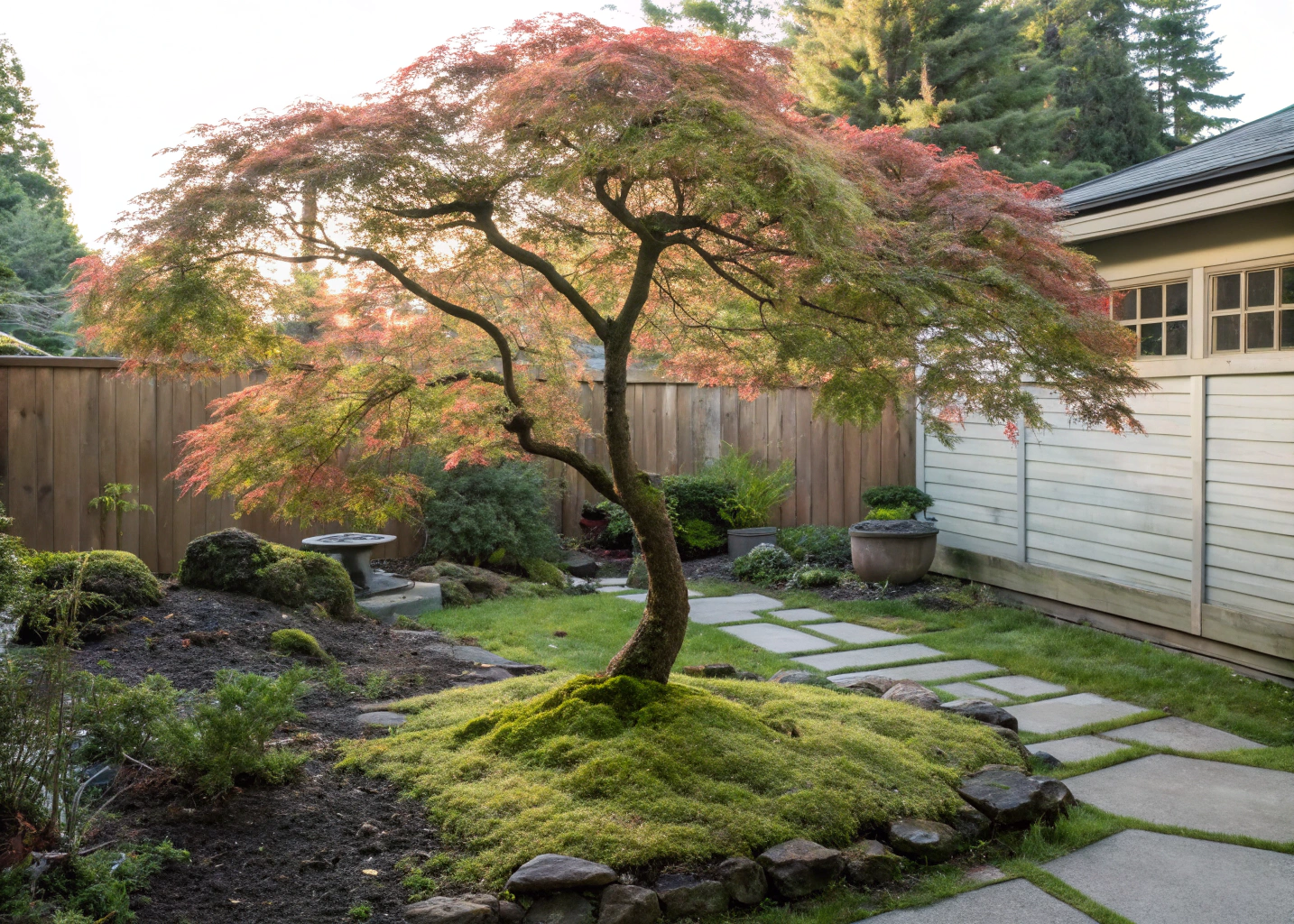
A Japanese garden is an intentional composition of natural materials — stone, water, plant, and space — arranged according to principles of balance, asymmetry, and restraint to create an environment that invites stillness and quiet reflection.
- Stone (Ishi) — the structural and spiritual foundation of the garden; rocks are selected for their individual character and placed to suggest natural formations, not decoration
- Water (Mizu) — still ponds, moving streams, or stone basins known as tsukubai; where real water isn’t practical, it can be represented through raked gravel
- Raked Gravel (Karesansui) — the dry garden tradition; patterns in the gravel represent water, movement, and the passage of time
- Plants (Shokubutsu) — chosen for year-round structural form rather than seasonal flowering; Japanese Maple, Pine, Bamboo, Azalea, and moss are characteristic species
- Stone Lanterns (Tōrō) — functional light sources and symbolic focal points, typically placed along paths and pond edges
- Bridges (Hashi) — timber or stone structures that control movement through the garden and mark the shift between spaces
- Fences and Gates — bamboo and timber structures that define enclosure and reinforce the sense of a world set apart from the everyday
Each element is placed with intention. Japanese garden design is not decoration — it’s choreography, composing a space that rewards stillness and slow attention.

The Philosophy Behind Japanese Garden Design
Japanese garden design is a philosophy, not a style.
Adapting Japanese Garden Design to Newcastle Properties
Japanese garden design requires thoughtful translation, not direct replication.
Newcastle’s climate, available species, and residential block sizes are different from the conditions in which this tradition developed. That gap doesn’t diminish what’s possible — it just means the design work has to be done carefully and with genuine understanding of both the principles and the place.
Newcastle’s warm summers support many Japanese garden species well. Intense sun and dry periods do require considered plant placement and irrigation design, but neither is a barrier to achieving something authentic and lasting.
Scale is no barrier either. The principles of restraint, asymmetry, and intentional placement apply as powerfully to a small courtyard as they do to a large suburban block. The philosophy scales to the space.
At Landscaping Newcastle Pro, we’ve spent years translating Japanese garden principles to real Newcastle properties — without diluting what makes them worth building in the first place.
Japanese Garden Design Across Newcastle Property Types
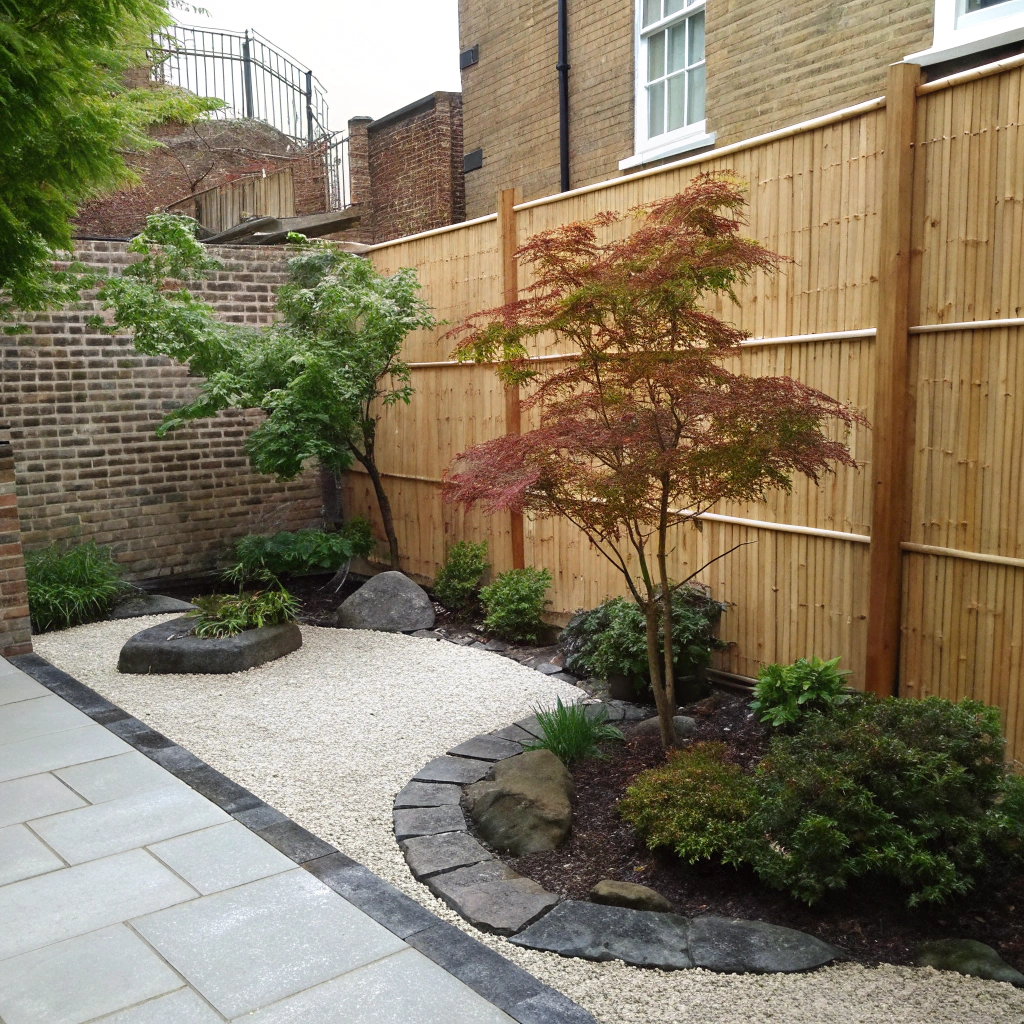
Japanese garden design principles are remarkably adaptable — the philosophy scales to the space rather than requiring the space to conform to a fixed template.
Courtyard and Inner-City Gardens: In suburbs like Cooks Hill, Hamilton, and The Junction, Japanese design principles are ideally suited to tight blocks. Restraint achieves maximum impact from minimal elements — a single stone grouping, raked gravel, one considered maple. A complete composition in a courtyard setting.
Larger Suburban Blocks: Merewether Heights, New Lambton, and Adamstown offer room for more expansive compositions. Multiple garden zones, a genuine sense of journey through the space, or a dedicated Japanese garden room that coexists naturally with other outdoor living areas.
Properties with Mature Trees or Interesting Topography: Existing trees, stone outcrops, and changes in level are assets in Japanese garden design — not obstacles. We’re skilled at reading a property and identifying the Japanese garden potential already present in the landscape.


The Sensory Experience of a Japanese Garden
A Japanese garden is a multi-sensory environment, not simply a visual composition.
Sound plays a deliberate role. Water moving over stone, bamboo rustling in a sea breeze, the rhythmic knock of a shishi-odoshi, the quiet of a dry garden that absorbs rather than generates noise. These are all designed outcomes, not happy accidents.
Texture and physical experience matter too. Aged stone underfoot, raked gravel that controls your pace, a stepping stone path that directs your attention as you move through the space. The way a Japanese garden is experienced on foot is inseparable from how it looks.
For Newcastle’s time-poor professional households, this is the part that matters most. The restoration on offer here goes beyond aesthetics. Time spent in a well-designed Japanese garden delivers genuine mental quietness — connection to something slower and more enduring than the week that brought you to it.
Maintaining a Japanese Garden in Newcastle
Japanese gardens are not zero-maintenance — and it’s worth being straightforward about that.
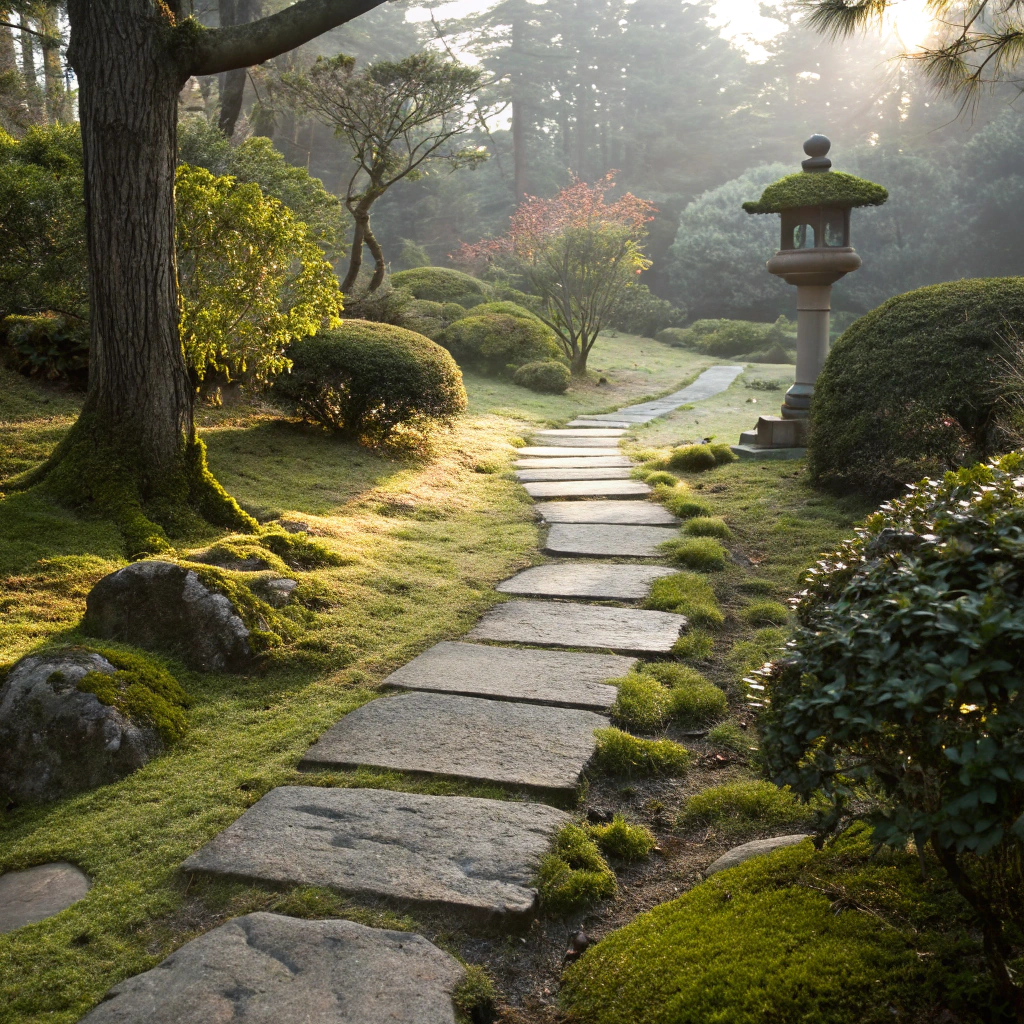
The precision and intentionality that makes them beautiful requires periodic, considered attention. But the nature of that maintenance is different from conventional garden care. Less constant intervention, more deliberate seasonal attention. Raking gravel patterns, selective pruning to maintain plant form, moss management, cleaning stone elements. Tasks that are unhurried by nature.
For many Japanese garden owners, this maintenance becomes a valued practice in itself. The act of caring for the garden reflects the same intention that went into designing it.
Getting plant selection and irrigation right at the design stage is what minimises remedial work through Newcastle’s warm, dry summers. At Landscaping Newcastle Pro, that groundwork is laid before a single stone is placed.
Well-executed Japanese garden maintenance is an extension of the design philosophy itself — attentive, intentional, and unhurried.
What Does a Japanese Garden Design Project Look Like?
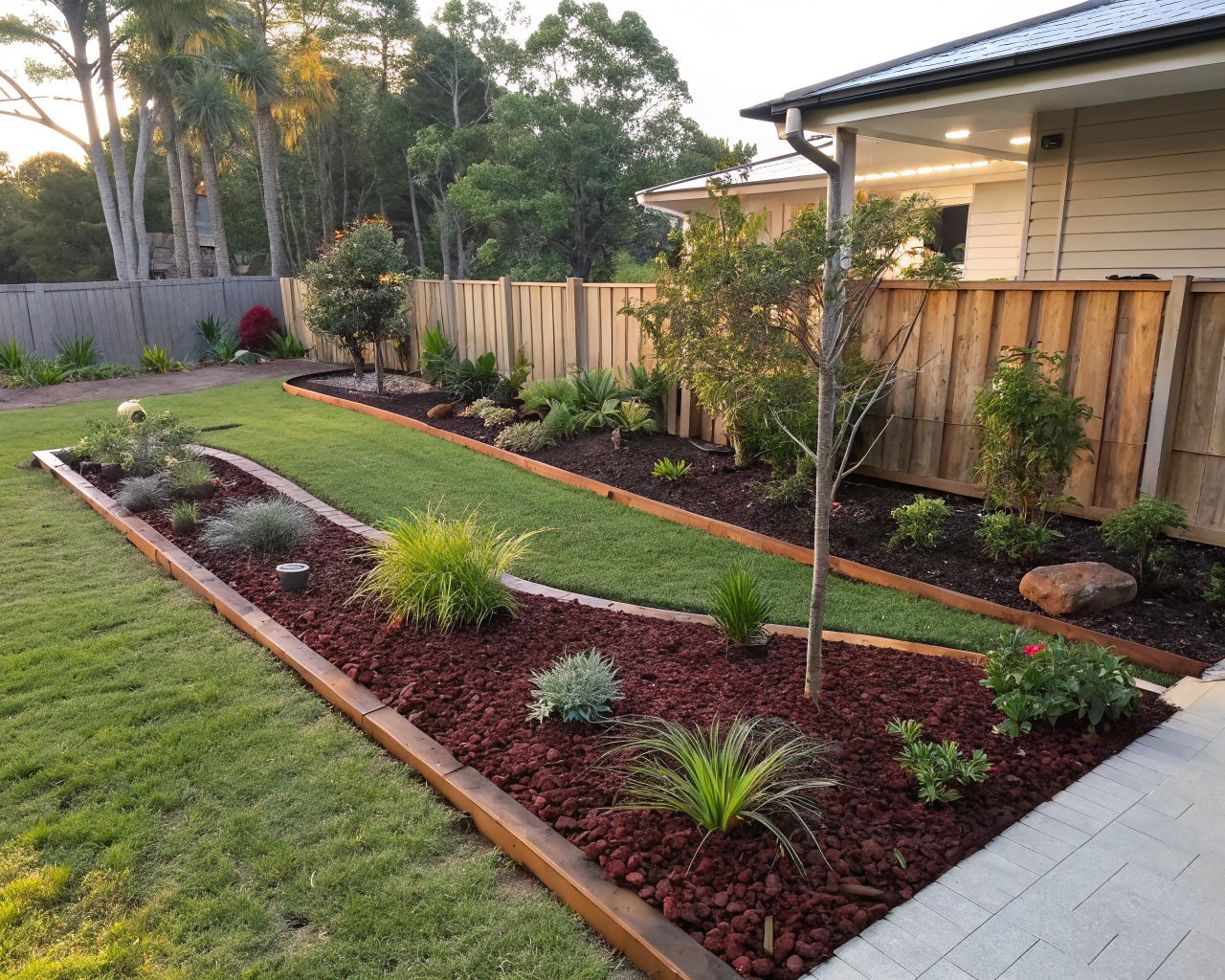
At Landscaping Newcastle Pro, every project starts with a conversation and ends with a garden built to last.
Initial Design Consultation: The process starts with a site visit and a conversation. We want to understand the property, the available space, and what the homeowner is drawn to. No assumptions about scale or budget. The consultation is about understanding what’s possible and what’s right for this specific property.
Design Development: Following the consultation, a considered design is developed that translates Japanese garden principles to the specific site. Plant selection, stone sourcing, water feature design, structural elements, and irrigation planning are all covered. The design is presented with enough detail that the homeowner understands exactly what’s being proposed — and why each decision has been made.
Installation: Installation is carried out with the same care and intention that underpins the design. Stone placement in particular is a considered and unhurried process. Structural elements come first, planting second, finishing details last. The completed garden is not a finished product — it’s a starting point. Consistent with wabi-sabi, it will continue to develop character and depth over time.
Frequently Asked Questions About Japanese Garden Design in Newcastle
Every project is different — a small courtyard composition will sit at a very different price point to a full suburban block design and install. We give accurate pricing after an initial site visit, once we understand the scope and what’s involved. Call us for a conversation.
Design development typically takes two to four weeks depending on complexity. Installation timeframes vary with project size — a courtyard garden can be completed in a few days, while larger projects take longer. We walk you through realistic timeframes during the consultation.
Yes. Newcastle’s warm temperate climate supports most of the characteristic Japanese garden species well. We factor summer heat and dry periods into every design from the outset — plant placement, species selection, and irrigation are all considered together.
Not in the way most people expect. They require periodic, deliberate attention rather than constant upkeep — seasonal pruning, gravel raking, moss management, and stone cleaning. Getting the design and plant selection right from the start is what keeps ongoing maintenance manageable.
Absolutely. Some of the most powerful Japanese garden compositions we’ve created have been in small, enclosed courtyards. Restraint and intentional placement achieve a great deal in a tight space — scale is not a limitation.
No. Water is one element of the Japanese garden tradition, but it can be represented symbolically through raked gravel rather than literal water. A dry garden — karesansui — is a complete and legitimate Japanese garden form in its own right.
Yes, and we prefer to. Existing mature trees, established plantings, natural stone, and changes in level are genuine assets in Japanese garden design. We assess what’s already on the property before making any recommendations about what stays and what changes.
Ready to Talk About Your Garden?
A Japanese garden is one of the most considered outdoor spaces you can build — and the right starting point is a conversation about your specific property.
At Landscaping Newcastle Pro, we offer an initial design consultation that’s low pressure and genuinely useful. We visit the site, talk through what’s possible, and give you a clear picture of what Japanese garden design could look like in your space.
No two properties are the same. No two gardens we design are the same. What we bring to every project is the same — care, genuine knowledge of the tradition, and years of experience working with Newcastle properties.
Get in touch with the team at Landscaping Newcastle Pro today. We service Newcastle and the broader Hunter Region.
Call us for a design consultation: 0240581214
We aim to respond to all enquiries within one business day.
