
Sandstone Wall Types: Dry-Stack vs Mortared Construction
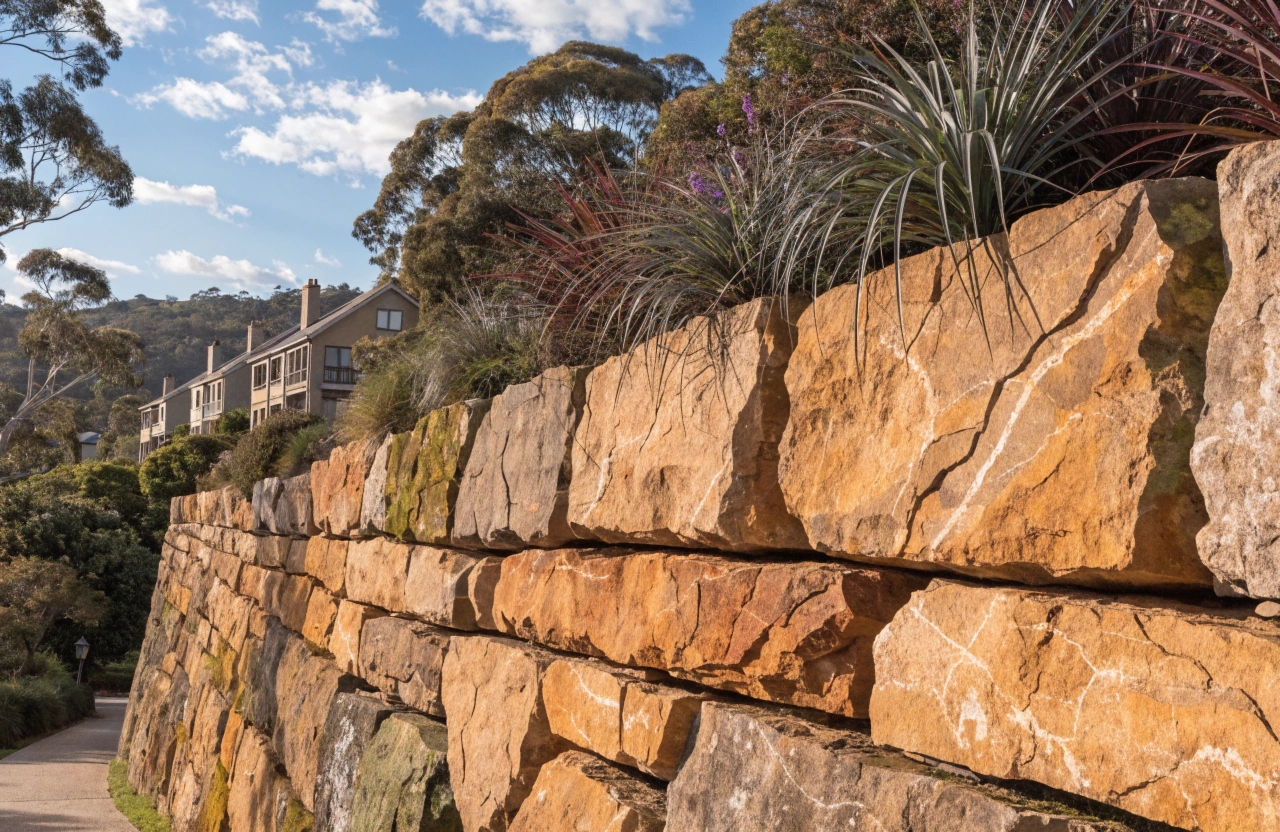
Not all sandstone retaining walls are built the same way, and the method matters — both for how the wall performs and how it looks once it’s done.
Dry-Stack Sandstone Walls
Dry-stack walls are built without mortar. Stones are carefully selected and placed so their weight, shape, and interlocking form do the structural work. No cement holding anything together — just good stone placement and the physics of compression.
The result is the most naturalistic sandstone finish you can get. It’s the look that stops people on the footpath. Dry-stack suits lower garden retaining applications — generally up to around a metre in height — terracing, informal garden settings, and any situation where a relaxed, organic aesthetic is the priority.
One practical advantage worth knowing: because water moves freely through the wall face, hydrostatic pressure doesn’t build up behind it. That means drainage installation behind a dry-stack wall is far less critical than with mortared construction.
Mortared Sandstone Walls
Mortared walls set each stone in mortar for a more formal, structurally robust result. The finished appearance is more refined — consistent courses, tighter joints, a deliberate rather than casual feel. These suit taller walls up to around 1.2 to 1.5 metres, formal garden designs, and situations where a polished finish is part of the brief.
Both methods demand real skill. Selecting stones for the right size, shape, and structural contribution — and achieving courses and faces that look intentional — is what separates a wall that lasts decades from one that shifts and settles within a few years.

Sandstone Sourcing and Stone Selection
The stone you use matters as much as how you lay it. Sandstone is not a single product — it’s a broad category, and the quality, character, and suitability of the material varies significantly depending on where it comes from and how it’s been processed.
For Newcastle properties, local NSW sandstone is the right call. Stone sourced from quarries in the Sydney Basin and Hunter Region delivers those warm ochre and honey tones that sit so naturally against the coastal landscape here. It’s the same palette you see in Newcastle’s heritage buildings and natural rock formations — so when it shows up in a garden wall, it looks considered rather than imported.
The Main Stone Options We Work With
Selecting the right stone for each application isn’t something you work out on the day. It comes from experience — knowing which product suits the wall height, the construction method, the garden style, and the aesthetic direction the homeowner is after. That’s the judgement we bring to every sandstone job we price and build across Newcastle and the Hunter Region.
Structural Considerations for Sandstone Retaining Walls
Sandstone is a premium natural material, and part of working with it honestly means being upfront about what it handles well and where its practical limits are.
Height Limitations
Sandstone is best suited to low to medium height retaining applications. As a general guide:
• Dry-stack construction — walls up to around one metre in height
• Mortared construction — walls up to approximately 1.2 to 1.5 metres
Beyond those heights, engineering requirements increase significantly and the cost of natural stone starts working against you. For taller retaining applications, alternative materials — concrete sleepers, block systems, or engineered timber — become more practical. We’ll tell you that honestly when we come out to quote, rather than build you something that’s undersized for the job.
What Makes a Sandstone Wall Last
Height is only one part of the picture. Three things determine whether a sandstone retaining wall performs over the long term:
Compacted base — the foundation the wall sits on needs to be properly prepared and compacted. A wall built on soft or unstable ground will move regardless of how well the stone is laid above it.
Correct batter — this is the backward lean of the wall face into the retained soil. It’s not visible once the wall is finished, but it’s doing real structural work. A wall built perfectly vertical has less stability than one with even a slight batter.
Drainage management — particularly behind mortared walls where water can’t pass freely through the face. Ag pipe and appropriate backfill behind the wall keeps hydrostatic pressure from building up and pushing the wall forward over time.
Get these three things right and a sandstone retaining wall will outlast almost everything else in the garden.
Sandstone Retaining Walls as a Garden Feature
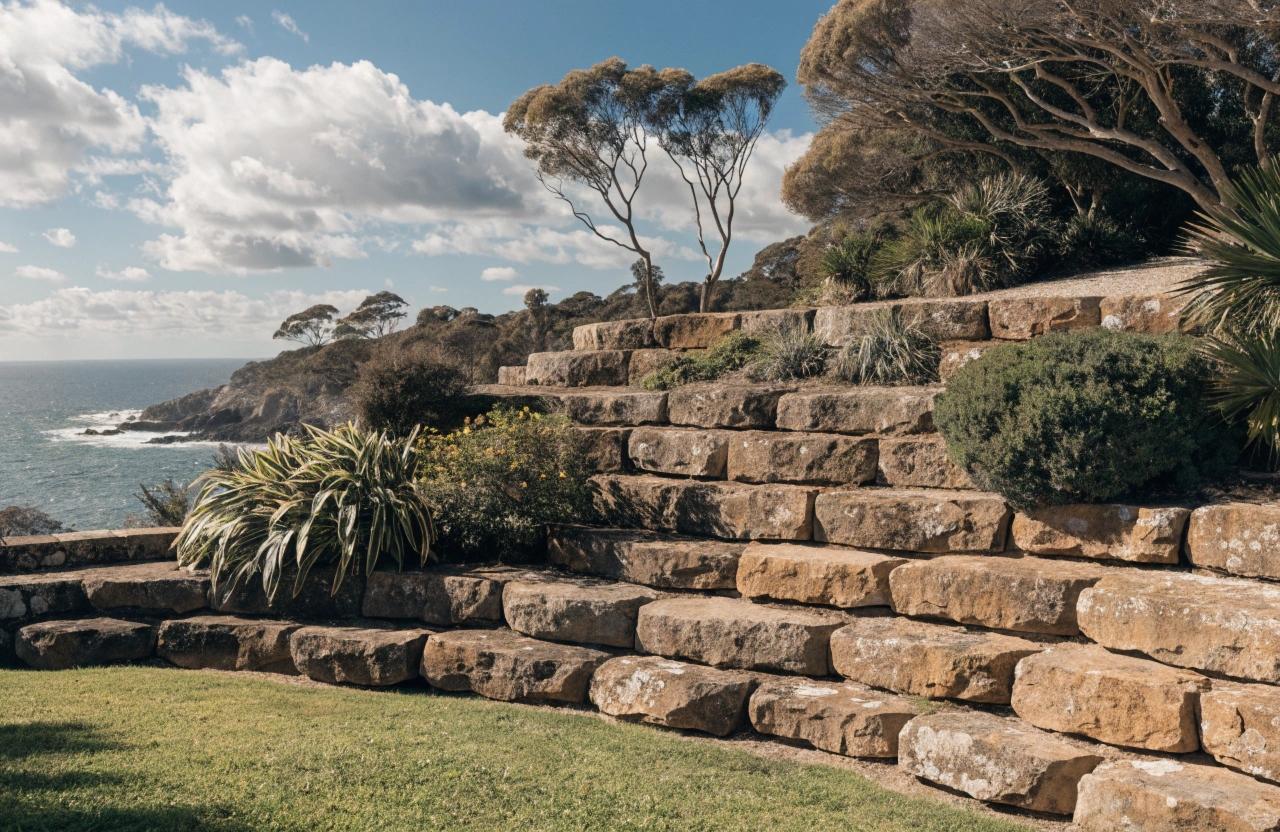
There’s a difference between a retaining wall that does a job and one that earns its place in the garden. Sandstone sits firmly in the second category. When it’s built well, it doesn’t read as a structural solution — it reads as a design element. The texture, the colour variation, the way the stone holds light differently through the day — it all adds up to something that lifts the entire outdoor space.
Garden Styles That Work Beautifully With Sandstone
Coastal gardens — sandstone’s natural ochre and honey tones complement coastal planting combinations perfectly. Lomandras, native grasses, agapanthus, and low-growing succulents all sit comfortably against warm stone. In suburbs like Merewether, Bar Beach, and Stockton, this combination feels genuinely at home.
Native and bush gardens — the organic texture of dry-stack sandstone is a natural partner for native plantings. Banksias, grevilleas, and ground covers tucking in between stone courses creates a finish that looks intentional rather than installed.
Mediterranean garden styles — mortared sandstone with lavender, rosemary, and olive trees running along the terrace. Warm, structured, timeless.
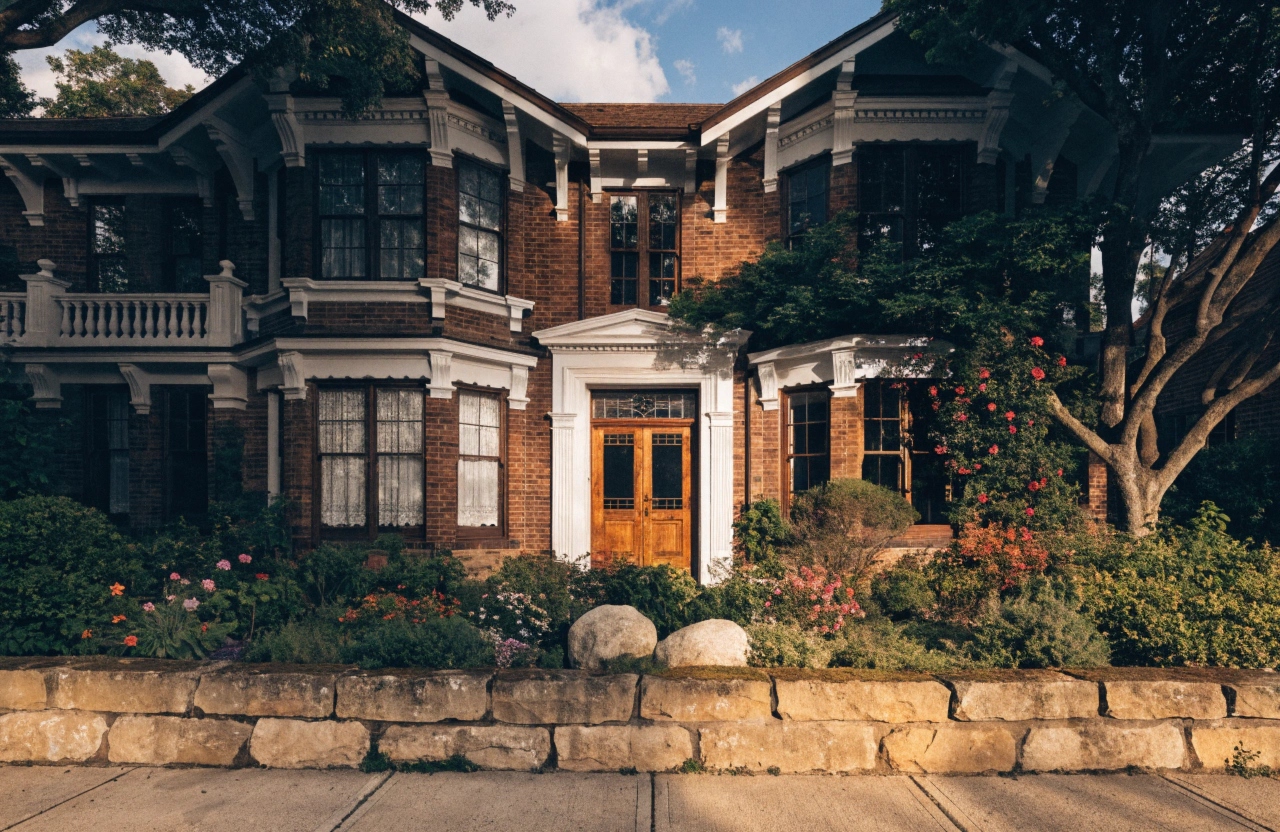
Heritage residential landscapes — across Newcastle’s established suburbs like Hamilton, Cooks Hill, and The Junction, sandstone retaining walls sit in genuine architectural conversation with the surrounding built environment. Period homes with Federation or inter-war character look right with sandstone in the garden in a way that rendered block walls simply don’t achieve.
A well-built sandstone wall adds warmth, texture, and natural character to the garden composition long after the build is done and the plants have grown in around it.
Our Sandstone Retaining Wall Process in Newcastle
Every sandstone retaining wall we build starts with a site visit, not a phone quote. Sandstone work is too site-specific to price accurately any other way — slope, soil type, access, wall height, stone selection, and the finished aesthetic direction all feed into what a job actually involves. We come out, look at the property, talk through what you’re after, and give you a quote that reflects the real scope.
What the Build Process Looks Like
Site preparation — existing vegetation, soil, and any existing structures are cleared from the build line. The foundation trench is excavated and compacted properly. This is the unglamorous part of the job, but it’s where wall longevity is either built in or left out.
Base course — the first course of stone is the most important. It sets the level, establishes the batter angle, and determines how cleanly every course above it will sit. We take time here.
Stone selection and laying — each stone is selected for its contribution to that particular point in the wall. Size, shape, face character, and how it locks against its neighbours. For dry-stack work especially, this is where the craft shows.
Drainage installation — ag pipe and appropriate backfill are installed behind mortared walls before the retained soil goes back in.
Finishing and clean-up — capping stones are set, the wall face is cleaned down, and the site is left tidy.
We build across Newcastle, Lake Macquarie, Maitland, and the broader Hunter Region. Most residential sandstone retaining wall projects are completed within one to three days depending on scope.
Frequently Asked Questions About Sandstone Retaining Walls in Newcastle
Built properly — with a compacted base, correct batter, and appropriate drainage — a sandstone retaining wall will last decades. Dry-stack walls in particular have an almost indefinite lifespan when the stone is good quality and the foundation is solid. There are dry-stack sandstone walls in Newcastle’s older suburbs that have been standing for over a century.
In most cases, retaining walls up to one metre in height on residential properties fall within exempt development provisions under Newcastle City Council guidelines. Walls above one metre, or walls in certain overlays or sensitive areas, may require a development application. We’ll flag anything that looks like it needs attention when we come out to quote.
Yes, but typically through a terraced approach rather than a single tall wall. Multiple lower sandstone retaining walls stepping up a slope is both structurally appropriate and aesthetically strong — it creates defined planting tiers and breaks up a steep yard into usable garden space.
Very well. Sandstone is a naturally weathering material — it doesn’t rust, rot, or degrade the way timber and some manufactured materials do. The salt air and humidity that accelerate deterioration in other materials don’t affect good quality NSW sandstone in any meaningful way. It weathers gracefully rather than poorly.
Mortared construction generally costs more due to the additional materials and the longer build time involved in setting courses properly. Stone selection and sourcing also affects pricing. We provide itemised quotes so you can see exactly where the cost sits.
Get a Sandstone Retaining Wall Quote in Newcastle
If you’ve been looking at a sloping backyard, an overgrown bank, or a garden that needs structure and you keep coming back to sandstone — that instinct is worth following. It’s a material that rewards the decision for a long time.
We build sandstone retaining walls across Newcastle, Lake Macquarie, Maitland, and the Hunter Region for homeowners who want natural stone done properly. Dry-stack or mortared, small garden terraces or multi-course feature walls — we’ve built them across this region and we know what works on Newcastle soil, in Newcastle conditions, and against the backdrop of Newcastle’s residential landscape.
Getting started is straightforward. Give us a call or send through an enquiry with your address and a brief description of what you’re working with. We’ll organise a time to come out, walk the site with you, talk through your options, and put together a detailed quote.
No guesswork. No ballpark figures over the phone. Just a proper look at the job and a price that reflects what it actually involves.
We service: Newcastle, Merewether, New Lambton, Charlestown, Hamilton, Cooks Hill, The Junction, Kotara, Cardiff, Glendale, Wallsend, Mayfield, Adamstown, Lake Macquarie, Maitland, and surrounding Hunter Region suburbs.
Call us today or submit an online enquiry to book your free sandstone retaining wall consultation.
