
Coastal Garden Design Newcastle: Plants & Landscapes Built to Withstand Salt, Wind & Harsh Conditions
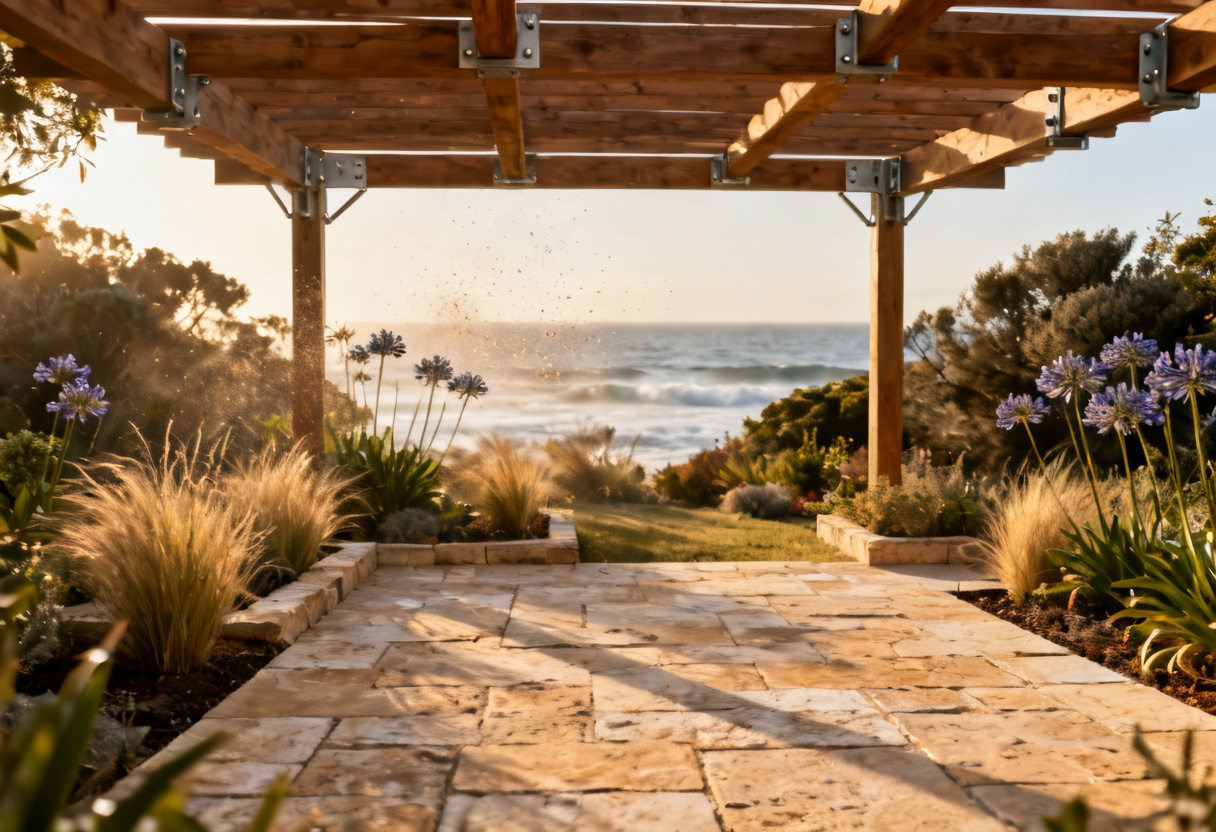
There’s a particular kind of frustration that coastal homeowners in Newcastle know well. You plant something that looks fantastic at the nursery, get it in the ground, and within a season it’s burnt at the edges, beaten down by the wind, or just slowly giving up. It’s not bad luck. It’s the wrong plant in the wrong place — and it happens constantly when gardens aren’t designed specifically for coastal conditions.
Coastal garden design Newcastle is a specialist discipline. Newcastle sits flanked by the Pacific Ocean, Lake Macquarie, and the Hunter River, with suburbs like Merewether, Bar Beach, Redhead, Belmont, and Swansea sitting directly in the crosshairs of salt-laden onshore winds, sandy soils, and relentless sun exposure. We design gardens for exactly these environments — ones that understand what survives and thrives when salt, wind, and heat are year-round constants, not occasional inconveniences.

Understanding Coastal Conditions in Newcastle Gardens
Coastal gardens face a genuinely different set of challenges to inland properties — and designing around those challenges starts with understanding exactly what you’re dealing with. These aren’t minor inconveniences. They’re active forces that will determine whether your garden thrives or slowly deteriorates.
Soil and Drainage Management for Coastal Properties
Sandy soils are the default across most coastal Newcastle suburbs, and they create a specific set of challenges that need addressing before planting begins. The approach differs depending on whether your property is elevated and free-draining or low-lying and prone to waterlogging.
Amending Sandy Soils for Planting Establishment
Sandy soil amendment with organic matter and water-retention products is a standard first step in coastal garden preparation. Without it, newly planted species — even salt-tolerant natives — struggle to establish the root systems they need to survive their first summer. Soil preparation done right at the start saves significant replanting cost later.
Mulching in Coastal Conditions
Mulch selection in coastal gardens matters more than most homeowners realise. Organic mulch suppresses weeds, retains soil moisture, and gradually improves soil structure as it breaks down — but lightweight products blow away on exposed coastal sites. Heavier, coarser mulch types perform best in wind-exposed locations like foreshore properties.
Drainage Management Near Lake Macquarie and the Hunter Estuary
Low-lying properties near Lake Macquarie, Belmont, Swansea, and the Hunter estuary face the opposite problem to elevated beachside sites. Poor drainage and periodic waterlogging demand a different design response — raised garden beds, appropriate plant selection for wet feet tolerance, and considered grading to move water away from planted areas.
Hard Landscaping Materials for Coastal Gardens
Salt air, UV exposure, and constant weather shifts quickly break down unsuitable materials, leading to costly repairs and replacements. That’s why proven options like sandstone and porcelain pavers are commonly used for paving and edging, while retaining walls rely on materials such as sandstone block, rendered masonry, or treated timber to withstand long-term exposure.
Marine-grade steel, powder-coated aluminium, and quality hardwoods perform well in coastal conditions, whereas standard galvanised or mild steel tends to corrode much faster. Getting these selections right from the start ensures your outdoor space remains low-maintenance and built to last in a harsh seaside environment.
Wind Management and Garden Structure
Wind management is essential for making coastal gardens in Newcastle usable year-round, as strong onshore winds often limit outdoor comfort. Effective solutions include planting dense, hardy species like Westringia, Acacia, and Pittosporum along exposed boundaries to create natural windbreaks, as well as installing solid fencing or walls for immediate protection.
The best results come from combining both approaches and designing the garden layout to take advantage of wind shadows. By positioning entertaining areas and key spaces behind these protective elements from the outset, homeowners can create outdoor areas that are far more comfortable, functional, and enjoyable in coastal conditions.
Irrigation for Coastal Newcastle Gardens
Sandy soils on beachside properties dry out rapidly, particularly through Newcastle’s hot summer months, and consistent moisture delivery during that establishment window is what determines whether plants take hold or decline.
Drip Irrigation for Sandy Coastal Soils: Drip irrigation systems are the most efficient watering solution for coastal Newcastle gardens. Delivering water directly to the root zone reduces evaporative loss significantly compared to overhead sprinkler systems — a meaningful advantage on exposed sites where surface evaporation is already high. Drip systems work in tandem with mulching to maximise moisture retention.
Automated Irrigation for Establishment and Ongoing Maintenance: Automated irrigation removes the burden of establishment watering from the homeowner — which matters when summer watering schedules can mean daily delivery to newly planted beds on fast-draining sandy soils. Once the garden is established, automated systems can be dialled back and managed seasonally without requiring manual intervention throughout the year.
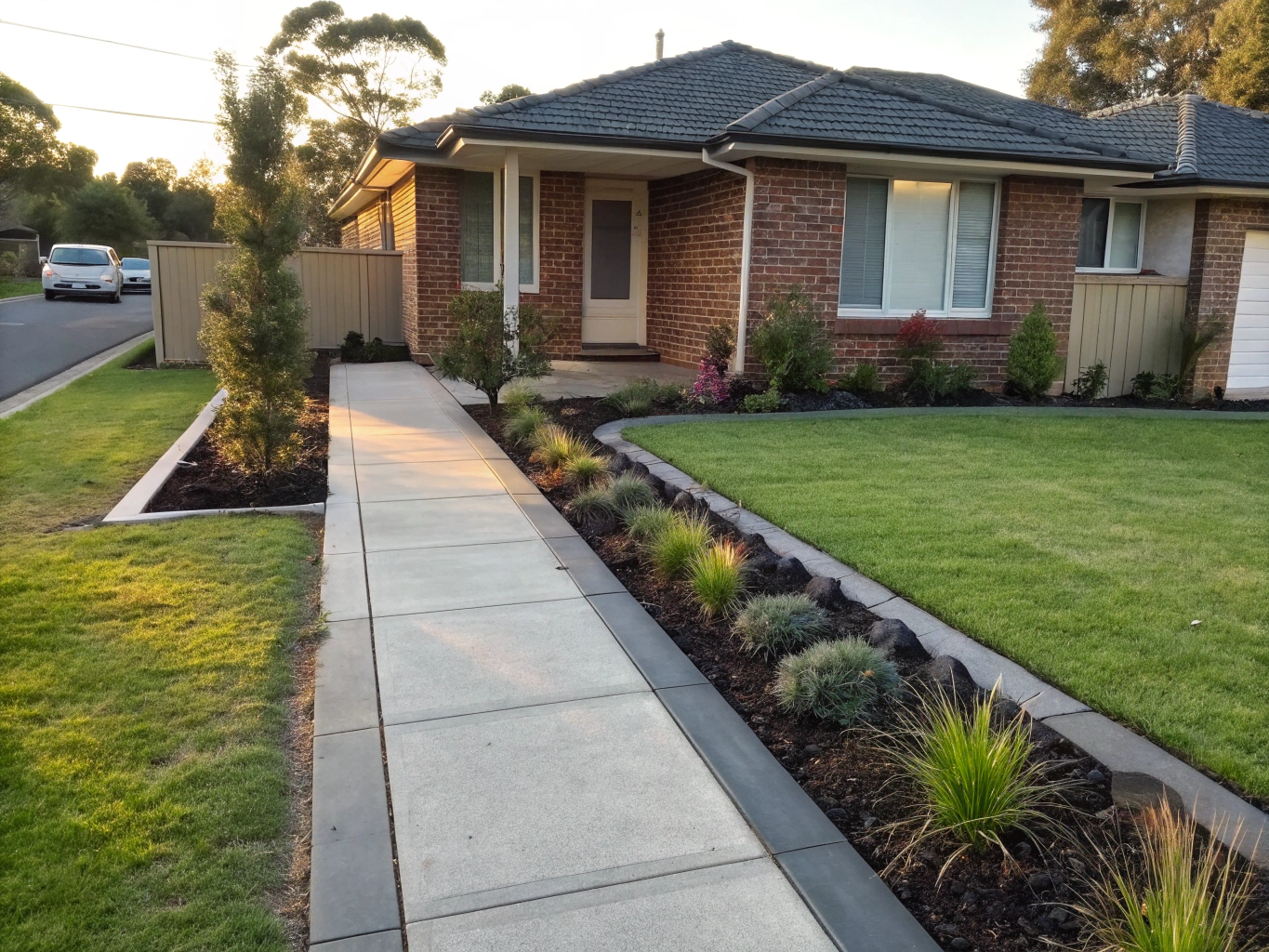
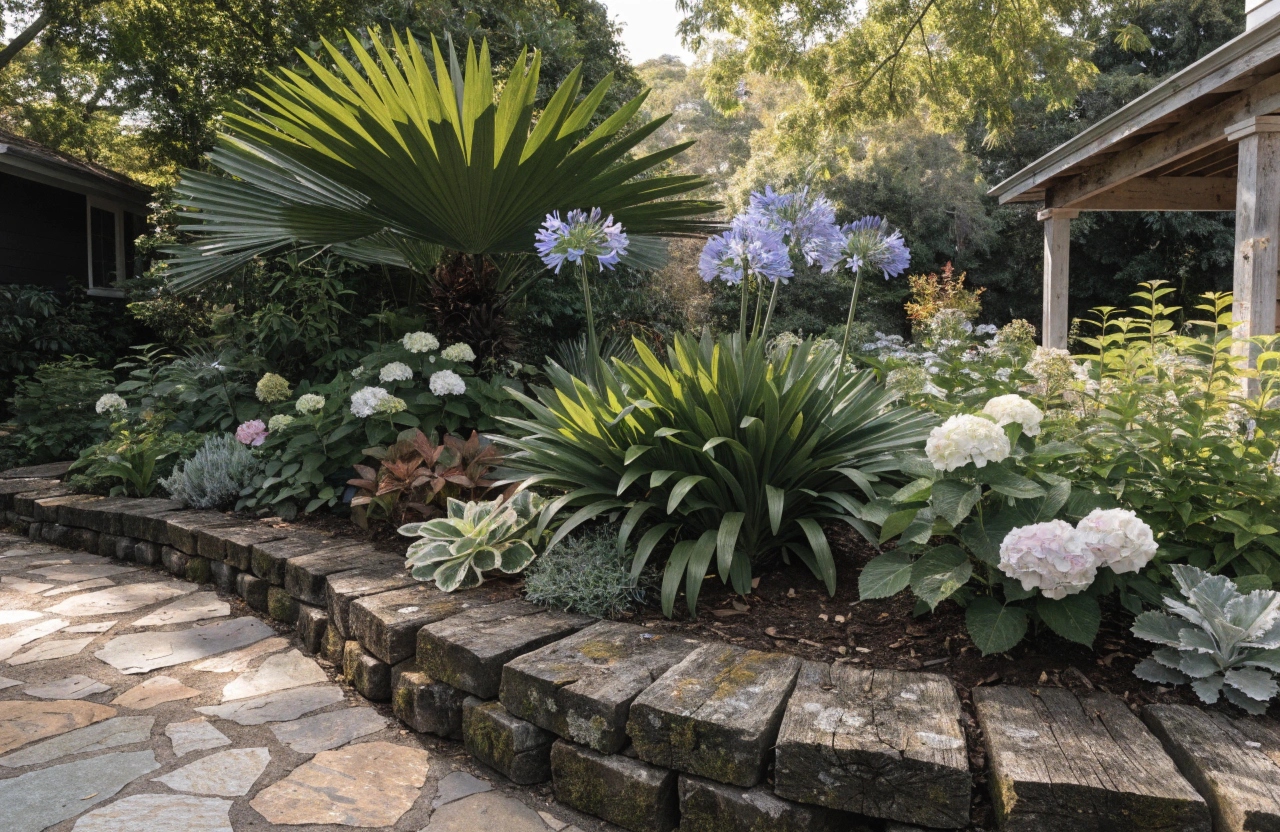
Coastal Garden Aesthetics for Newcastle Properties


FAQs — Coastal Garden Design Newcastle
Why do plants keep dying in my coastal Newcastle garden even when I'm watering regularly?
The problem usually isn’t water — it’s salt burn and the wrong species for the conditions. Newcastle’s onshore winds carry salt particles that desiccate foliage faster than roots can compensate, and no amount of watering fixes a plant that simply wasn’t bred for foreshore exposure. Before you replace anything, I’d want to look at your site’s actual exposure level and reassess the species selection entirely.
What are the best plants for a coastal garden in Newcastle's beachside suburbs?
For properties in Merewether, Redhead, or Bar Beach, I always start with proven Australian coastal natives — Westringia, Lomandra, and Banksia integrifolia are my go-to foundation plants because they’ve evolved for exactly these conditions. Once you’ve got that backbone established, you can layer in ornamental grasses and exotic performers like Agapanthus and Gazania for colour and texture. The key is building from tough outward and working toward more decorative species as you move closer to the house.
What mulch actually stays put in an exposed coastal garden near Newcastle's beaches?
Lightweight, fine-textured mulches are a waste of money on exposed coastal sites — the first decent nor-easter scatters them across the neighbour’s yard. I recommend coarser, heavier organic mulch products that lock together and resist wind lift while still delivering the soil moisture and structure benefits you need on sandy Newcastle soils. Depth matters too — a shallow layer on a windy foreshore block is gone within a season.
Which paving and hard landscaping materials hold up best in Newcastle's salt air?
Sandstone and porcelain are my two default paving recommendations for coastal Newcastle properties because both handle salt exposure, UV, and the wet-dry cycles of our climate without deteriorating prematurely. For structures and fencing, marine-grade steel and quality hardwood timbers are worth the extra upfront cost — standard galvanised products rust noticeably faster in beachside conditions, and you end up spending more on replacement than you saved. Getting the material spec right at the start is genuinely one of the highest-value decisions in a coastal garden project.
How do I make my outdoor entertaining area actually usable when the wind comes off the ocean?
Most coastal Newcastle homeowners I work with have an entertaining area that looks great on paper but gets hammered by the north-easterly from October through March — right when you want to be outside. The fix is usually a combination of solid boundary treatment for immediate relief and shelter planting on the windward side that progressively improves conditions as it matures. Getting that wind shadow positioned correctly around your outdoor living zone at the design stage makes a bigger difference to how much you actually use your backyard than almost anything else.
Do I really need irrigation if I'm planting drought-tolerant coastal natives in my Newcastle garden?
Yes — at least through the establishment period, which typically runs twelve months for new plantings in Newcastle’s sandy coastal soils. Even the toughest Banksia or Westringia needs consistent moisture while its root system develops, and our summers are genuinely unforgiving on newly planted gardens in free-draining beachside soils. I always recommend installing a drip irrigation system at planting time so establishment watering is automated and reliable — once the garden is established, you can dial it right back and let the plants do what they’re bred to do.
Talk to Us About Your Coastal Newcastle Garden
Coastal garden design is a specialist discipline — and getting plant selection, soil preparation, material specification, and structural design right from the outset saves significant cost and frustration compared to repeatedly replacing plants and materials that were never suited to the conditions in the first place.
If your property sits in Merewether, Bar Beach, Redhead, Belmont, Swansea, Dudley, Cooks Hill, or anywhere else across Newcastle’s coastal and lakeside suburbs, we’d like to talk about what’s possible. Book a consultation with our coastal garden design team and let’s design something that genuinely performs — one that looks as good in February as it does in May, and that you can actually enjoy without spending every weekend fighting the environment your garden sits in.
