
What Is the Best Grass for Shade in Newcastle?
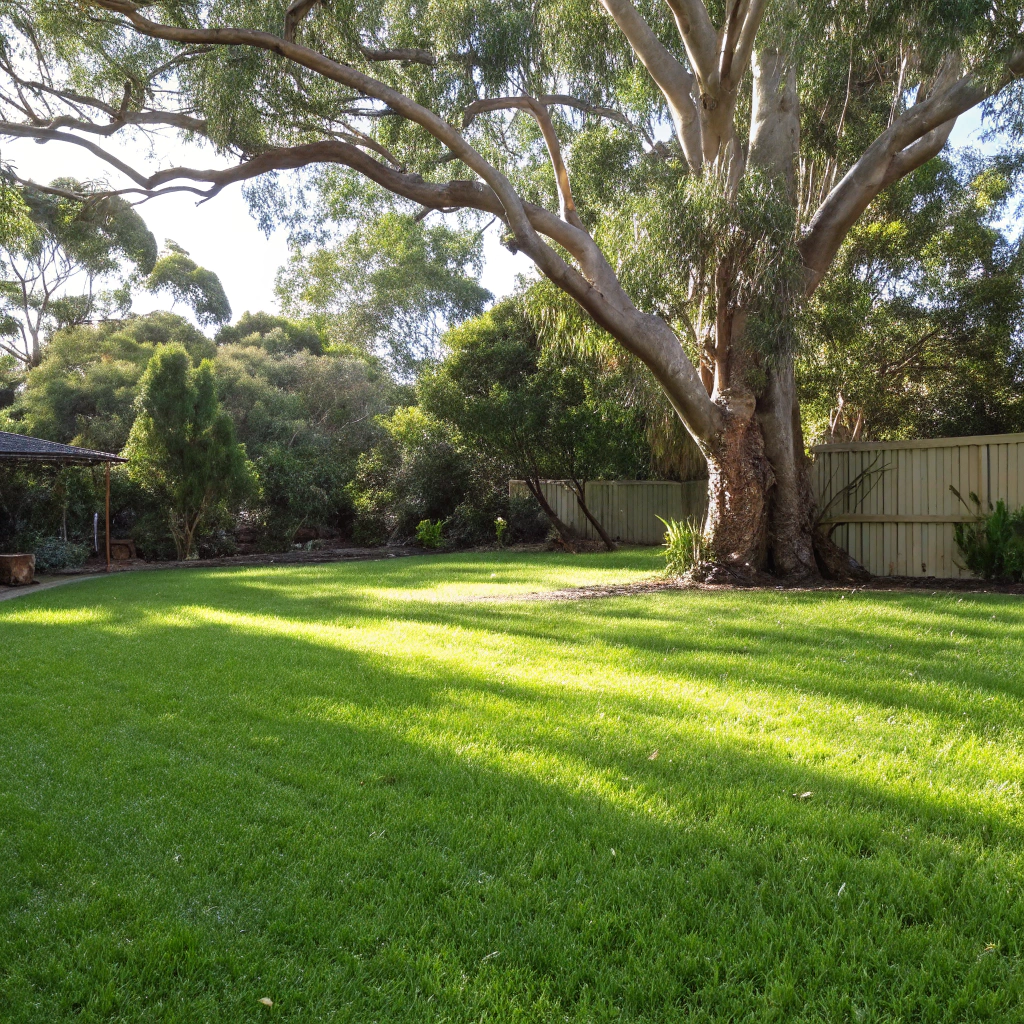
Buffalo grass — particularly Sir Walter — is the most widely installed turf variety across Newcastle and the Hunter Region, and the recommended choice for properties with partial to heavy shade from established trees or structures.
- Shade tolerance: performs in as little as 3 hours of direct sun — suited to established suburbs like Adamstown, Hamilton, New Lambton, and Kotara
- Climate fit: handles Newcastle’s hot summers and cool winters without significant dormancy or colour loss
- Texture: soft, barefoot-friendly leaf — suited to family backyards and high-traffic areas
- Weed suppression: dense, self-spreading growth habit reduces ongoing weed pressure once established
For most Newcastle residential properties, Sir Walter buffalo is the starting recommendation — other varieties are only considered where site conditions specifically rule it out.

Why Buffalo Grass Dominates Newcastle Lawns
Buffalo grass — Sir Walter specifically — is the most commonly installed turf variety across Newcastle, and it’s not hard to see why.
Most Newcastle blocks have at least some shade from established trees or neighbouring structures, and buffalo handles that better than anything else available. It stays soft underfoot, holds its colour through winter, and once it’s established, its dense growth does a solid job of keeping weeds out.
It doesn’t need constant attention to look good, and it performs reliably through Newcastle’s hot summers and cooler months without significant stress.
For most suburban properties in the area, Sir Walter buffalo is the obvious starting point — and for the vast majority of homeowners we speak to, it ends up being the right choice too.
Sir Walter vs Other Buffalo Varieties — Which One Is Right for Your Property?
Sir Walter DNA Certified: The market benchmark. Sir Walter produces a dense, weed-suppressing lawn, holds colour well through Newcastle’s cooler months, and has a proven track record across coastal and inland NSW. DNA certification confirms homeowners are getting the genuine product.
Sapphire Buffalo: Finer leaf texture than Sir Walter with slightly higher shade tolerance. Suits properties with deeper shade or where a more refined finish is preferred over Sir Walter’s slightly coarser leaf.
Palmetto Buffalo: Softer, lower-growing variety with good colour retention. Works well in ornamental or lower-traffic areas — better suited to front lawns and garden surrounds than high-use family backyards.
The right variety comes down to your specific site — shade levels, soil type, and intended use. We confirm the recommendation at quote stage after assessing the block.
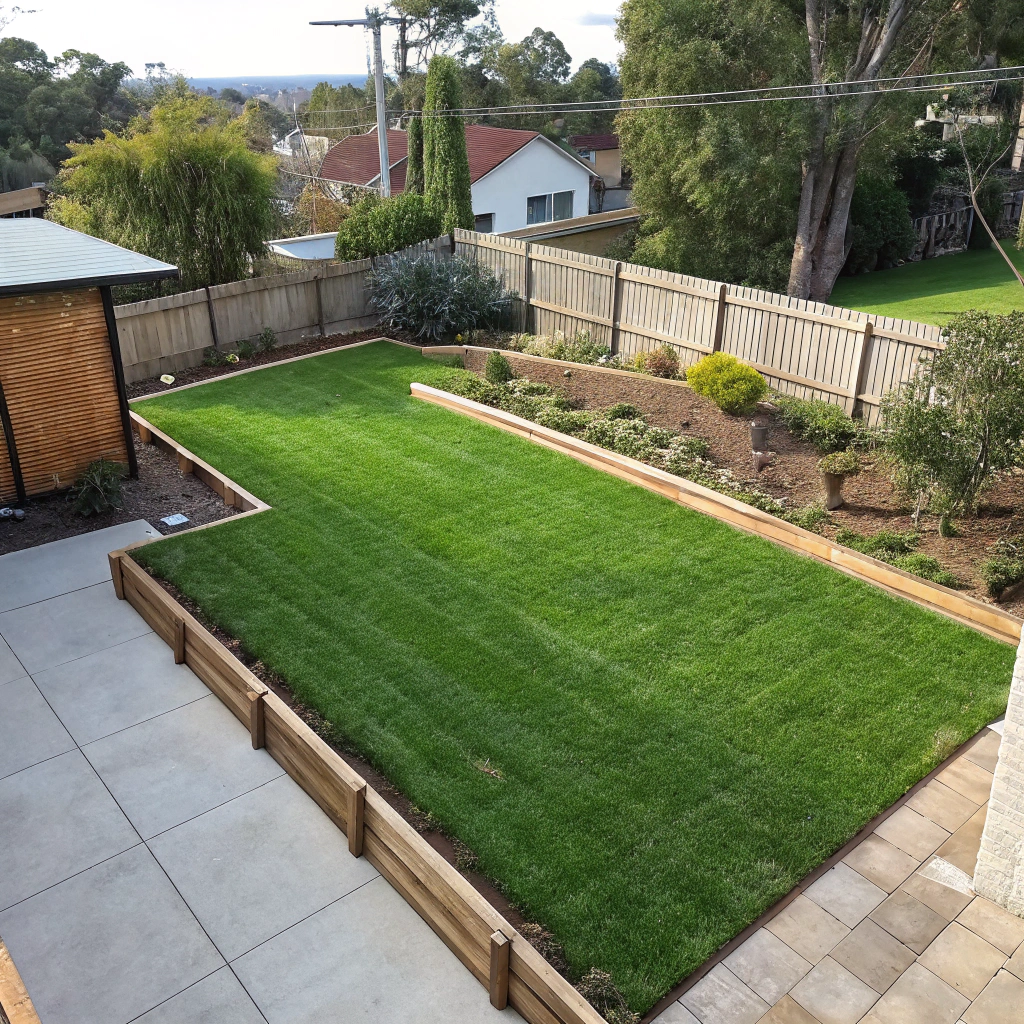
Site Preparation for Buffalo Grass Installation
Removing Existing Vegetation
Proper removal of existing lawn, weeds, and debris is the first step. Scalping the surface isn’t enough — old grass roots and weed runners left in the ground will compete with new turf during establishment and slow the knitting process down significantly.
Soil Cultivation and Grading
Once the site is clear, the soil is cultivated to break up compaction and graded to encourage drainage. Buffalo establishes strongly in well-drained ground and struggles where water pools after rain — getting the grade right before the turf goes down makes a real difference to the end result.
Lawn Underlay and Soil Improvement
Older Newcastle suburban blocks often have sandy, compacted, or nutrient-depleted soil. Where that’s the case, quality underlay is added before installation. Better soil means stronger root establishment, faster knitting, and a lawn that performs well long after the installation is done.


The Buffalo Grass Installation Process
Once site preparation is complete, turf is delivered fresh on the day of installation. Fresh turf matters — rolls that sit on a pallet for days before laying establish slower and are more prone to stress in the first few weeks.
Rolls are laid in a staggered brick pattern across the prepared surface. This avoids continuous seams running in the same direction, which can create visible lines and weak points as the lawn knits together. Edges are trimmed to fit site boundaries, garden beds, and paving accurately.
Once laid, the turf is rolled to press the root zone firmly into the soil below. Good soil contact is what drives establishment — buffalo grass installation in Newcastle done without this step will show in the first few weeks when patches fail to knit evenly.
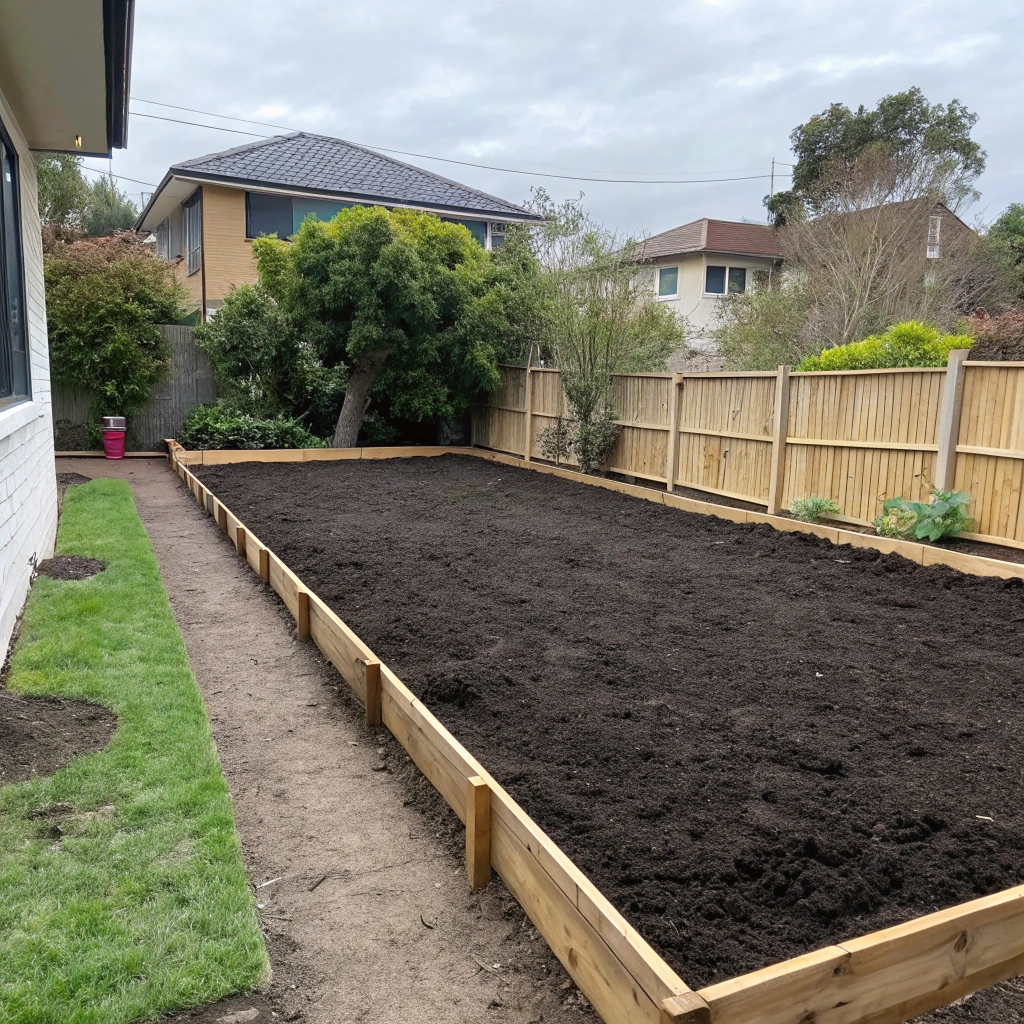
Establishment — What Happens After Installation
The First Four Weeks
Buffalo typically knits into prepared soil within three to four weeks with consistent watering. The lawn may look slightly pale or stressed in the first week — this is normal and settles as the roots make contact with the soil below. Watering daily in the first two weeks, then easing back as the turf firms up, gives the best result in Newcastle’s conditions.
Irrigation During Establishment
Consistent watering through the establishment phase is the single biggest factor in how well new turf performs. For time-poor homeowners, having automated irrigation installed alongside the new lawn removes the risk of missed watering days during that critical first month. We can organise irrigation installation as part of the same project if needed.
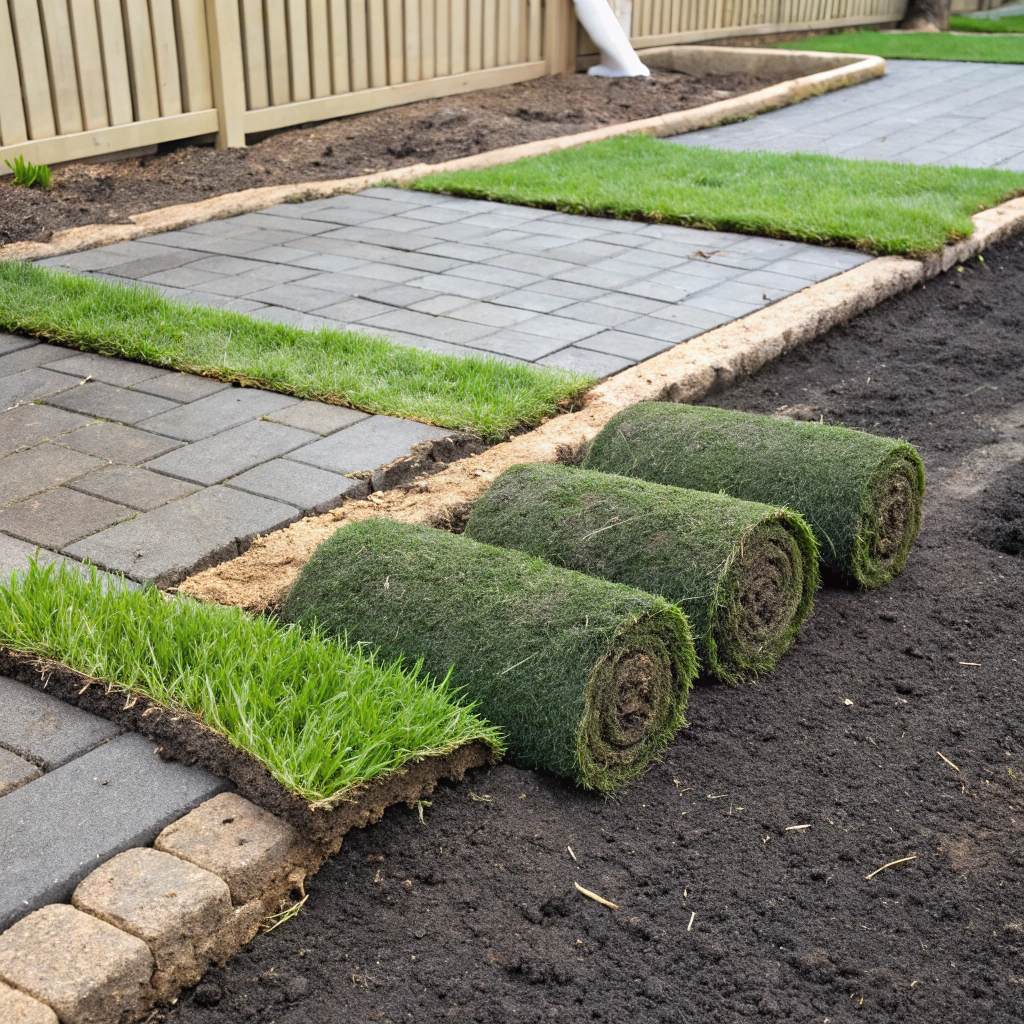
Buffalo Grass Across Newcastle Property Types
Buffalo grass suits a wide range of properties, and we’ve installed it across all of them.
Standard residential backyards, front lawns, sloped blocks, new builds starting from bare soil, and full renovation projects replacing tired or failed existing lawn — buffalo handles all of these well. The variety and preparation approach changes depending on the site, but the end result is consistent.
Newcastle’s suburb variety reflects that range. Coastal properties in Merewether, established quarter-acre blocks in New Lambton and Charlestown, newer estates in Fletcher and Maryland — each comes with its own soil conditions, shade profile, and site challenges. Local experience across that spread means we know what to expect before we arrive, and how to prepare the site properly for the conditions on the ground.
Maintaining Your Buffalo Lawn in Newcastle
Mowing Height and Frequency: Buffalo performs best mowed at 30–50mm. Don’t drop below that — scalping buffalo weakens the lawn and opens it up to weed invasion. Newcastle’s growing season runs October through April, meaning regular mowing through those months keeps the lawn dense and healthy.
Fertilising Through Newcastle’s Seasons: A slow-release fertiliser applied in spring and early summer supports strong growth through Newcastle’s peak growing period. Avoid over-fertilising in humid conditions — pushing too much nitrogen through a buffalo lawn in a Newcastle summer increases the risk of fungal disease.
Weed and Pest Management: Sir Walter’s dense growth habit is its best natural weed defence — a well-established lawn leaves little room for weeds to take hold. For pests, armyworm and lawn grub are the most common issues in Newcastle. Established buffalo recovers well with prompt treatment when either is caught early.
Frequently Asked Questions
Buffalo typically knits into the soil within three to four weeks with consistent watering. The first week can look a little pale or stressed — that’s normal. Once the roots make contact with the prepared soil below, the lawn firms up quickly.
For most Newcastle properties, yes. Sir Walter’s shade tolerance, soft leaf, and winter colour retention make it the right fit for the majority of suburban blocks we work on. Where a property has particularly deep shade or specific aesthetic requirements, we may recommend Sapphire or Palmetto instead.
Buffalo performs in as little as 3 hours of direct sun per day. That makes it the practical choice for established Newcastle suburbs where large trees and neighbouring structures shade significant portions of the yard through most of the day.
It doesn’t go fully dormant the way some warm-season grasses do. Sir Walter holds its colour reasonably well through Newcastle’s mild winters — you’ll see some slowdown in growth, but the lawn stays green and presentable through the cooler months.
We remove existing vegetation, cultivate the soil to break up compaction, grade for drainage, and add quality underlay where the existing soil is sandy or nutrient-depleted. Skipping any part of that process affects how well the turf establishes.
Through Newcastle’s growing season — October to April — regular mowing every one to two weeks keeps the lawn dense and healthy. We recommend keeping the mowing height between 30 and 50mm. Dropping below that weakens the lawn and opens it up to weed pressure.
Yes. Sir Walter is a robust variety that handles regular foot traffic well. It recovers from wear reasonably quickly during the growing season, which makes it a practical choice for family backyards that get consistent use.
Get a Quote for Buffalo Grass Installation in Newcastle
We install buffalo grass across Newcastle and the Hunter Region — residential backyards, front lawns, new builds, and full lawn renovations.
Landscaping Newcastle Pro 📞 0240581214
📍 Serving Newcastle and the Hunter Region
Here’s how it works:
- Submit your enquiry or call us directly
- We assess your site and confirm the right buffalo variety and preparation requirements
- Installation scheduled at a time that suits you — turf delivered fresh on the day
